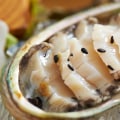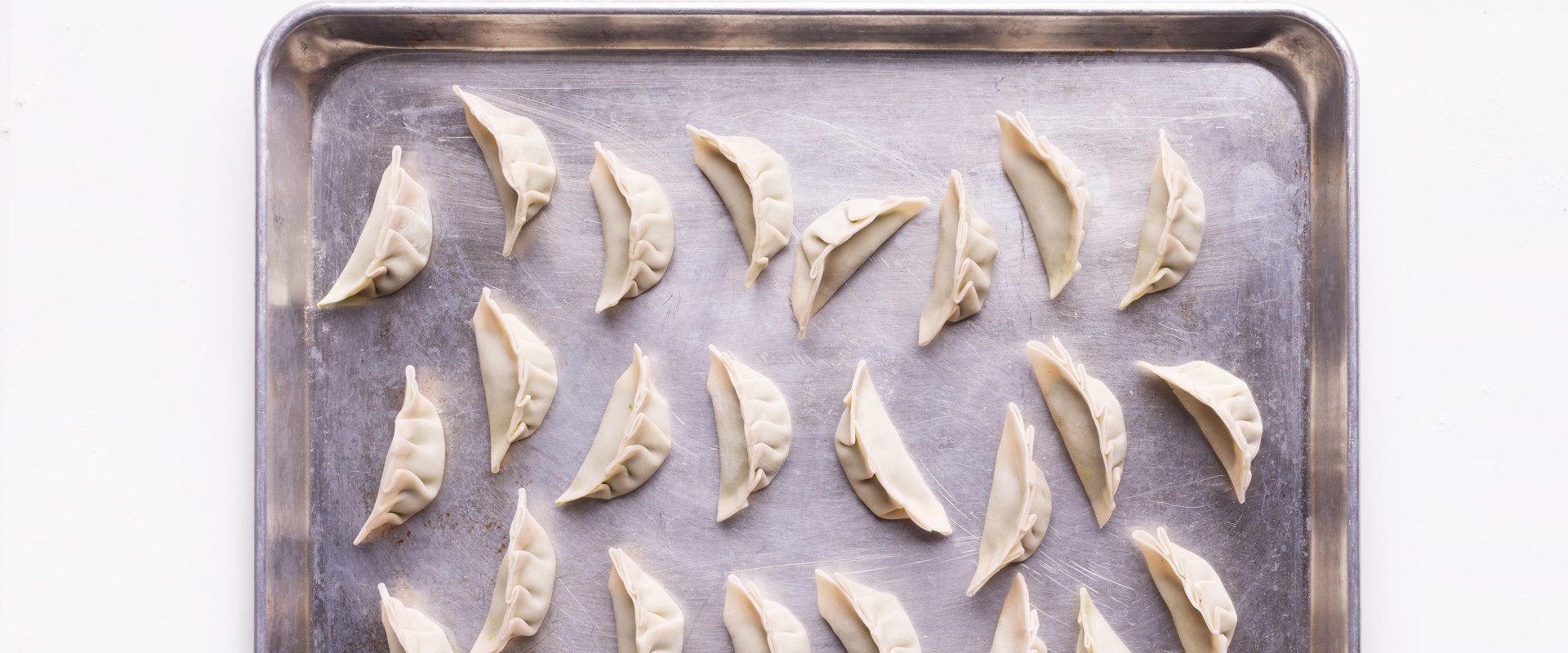
Abalone dumplings are a delightful fusion of flavors and textures that hold a special place in the realm of Chinese cuisineChinese cuisine. Renowned for their tender, chewy dough and rich, savory filling, these dumplings elevate any dining experience. The use of abalone, a prized seafood delicacy, not only enhances the taste but also adds a touch of luxury to this traditional dish. As you embark on your culinary journey to create these exquisite dumplings, you'll discover that the process is as rewarding as the final product.Incorporating abalone into your dumpling filling introduces a unique umami flavor that pairs beautifully with other ingredients like shrimp and vegetables.
This combination not only tantalizes the taste buds but also showcases the versatility of seafood in dumpling recipes. Whether you are preparing for a festive occasion or simply looking to impress your family with a homemade meal, mastering abalone dumplings will undoubtedly elevate your cooking repertoire.As we delve deeper into the art of making abalone dumplings, it’s essential to understand the significance of both the dough and the filling. The dough serves as the foundation, providing structure and texture, while the filling is where creativity shines. With a few expert tips on crafting the perfect dumpling dough and filling, you’ll be well on your way to creating mouth-watering seafood dumplings that are sure to impress.
Get ready to roll up your sleeves and explore the delightful world of abalone dumplings!
Understanding the Key Ingredients for Dumpling Dough
Creating the perfect dumpling dough begins with understanding the essential ingredients that contribute to its texture and flavor. The primary component of dumpling dough is flour, but not all flours are created equal. Choosing the right type of flour is crucial for achieving the desired consistency and chewiness in your dumplings.Types of Flour
- All-Purpose Flour: This is the most commonly used flour for dumpling dough. It has a moderate protein content, which helps develop gluten, giving the dough its elasticity.
All-purpose flour is versatile and readily available, making it a popular choice for both novice and experienced cooks.
- Wheat Flour: For a chewier texture, consider using a combination of all-purpose flour and wheat flour. The higher protein content in wheat flour enhances gluten formation, resulting in a firmer dough that holds up well during cooking.
- Rice Flour: If you’re looking to make gluten-free dumplings, rice flour is an excellent alternative. However, it may require additional binding agents like tapioca starch to achieve the right consistency.
It’s best to add water gradually while mixing until you achieve a smooth and pliable consistency. Too much water can lead to a sticky mess, while too little can result in a dry and crumbly dough.
Enhancing Flavor
To elevate the flavor profile of your dumpling dough, consider incorporating additional ingredients:
- Sesame Oil: A splash of sesame oil not only adds a rich nutty flavor but also contributes to the overall aroma of your dumplings.
- Rice Vinegar: Adding a small amount of rice vinegar can enhance the taste and provide a subtle tang that complements the filling.
- Salt: Don’t forget to season your dough with a pinch of salt. This simple addition can enhance the overall flavor and balance out the richness of your fillings.
Always opt for ingredients that are as fresh as possible to ensure that your dumplings are not only delicious but also have the right texture.By understanding these key ingredients and their roles in dumpling dough, you’ll be well on your way to creating mouth-watering dumplings that are sure to impress!
Crafting the Perfect Dumpling Dough
Creating the perfect dumpling dough is an art that requires attention to detail and a bit of practice. The right dough serves as the foundation for your dumplings, providing the ideal texture and flavor to complement your fillings. Here’s a comprehensive guide on how to make dumpling dough, focusing on kneading techniques and the importance of resting the dough.Ingredients for Dumpling Dough
- 2 cups of all-purpose flour
- ¾ cup of warm water
- ½ teaspoon of salt
- 1 tablespoon of sesame oil (optional, for added flavor)
Step-by-Step Guide to Making Dumpling Dough
- Mixing the Ingredients: In a large mixing bowl, combine the flour and salt. Gradually add warm water while stirring with a fork or chopsticks.
If you’re using sesame oil, add it at this stage. The goal is to create a shaggy mixture that holds together.
- Kneading the Dough: Once the mixture starts to come together, transfer it onto a clean, floured surface. Knead the dough for about 8-10 minutes. This process is crucial as it develops gluten, which gives the dough its elasticity.
Use the heel of your hand to push the dough away from you, then fold it back over itself and repeat. If the dough feels sticky, sprinkle a little more flour as needed.
- Checking for Texture: The dough should be smooth and elastic when properly kneaded. To test this, press your finger into the dough; it should spring back slightly. If it doesn’t, continue kneading for a few more minutes.
- Resting the Dough: After kneading, wrap the dough in plastic wrap or cover it with a damp cloth.
Allow it to rest for at least 30 minutes at room temperature. This resting period is essential as it relaxes the gluten strands, making the dough easier to roll out and shape.
- Rolling Out the Dough: Once rested, divide the dough into smaller portions for easier handling. Roll each portion into a thin circle on a floured surface, ensuring even thickness throughout. This will help achieve uniform cooking and texture in your dumplings.
Tips for Perfect Dumpling Dough
- Use Warm Water: Warm water helps to dissolve the flour more effectively and can lead to a softer dough.
- Don’t Rush Kneading: Proper kneading is key; take your time to develop that gluten structure.
- Resting is Key: Never skip the resting phase; it significantly improves the texture of your dumplings.
The right technique not only enhances flavor but also ensures that your dumplings have that delightful chewy texture that everyone loves!
Choosing Fresh Ingredients for Dumpling Filling
When it comes to crafting the perfect dumpling filling, the quality of your ingredients can make all the difference. Using fresh ingredients not only enhances the flavor but also ensures that your dumplings are both delicious and nutritious. This is particularly true for seafood fillings, such as those featuring abalone and shrimp, which are prized in Chinese cooking for their unique textures and flavors.Choosing Fresh Abalone
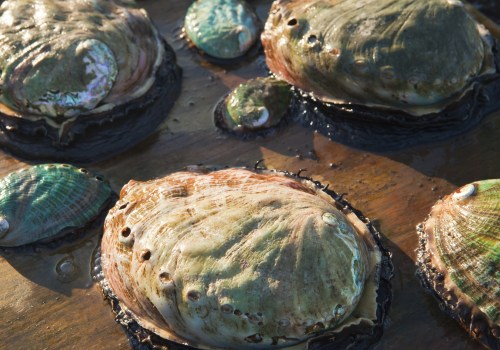
Abalone is a delicacy that should be treated with care. When selecting abalone, look for shells that are clean and free from cracks.
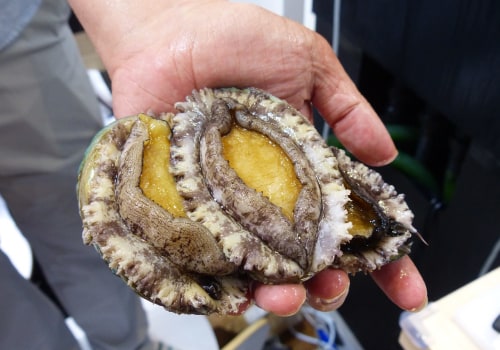
The flesh should be firm and have a slight sheen, indicating freshness. If possible, opt for live abalone, as this guarantees the best flavor and texture. If you’re purchasing pre-packaged abalone, check the expiration date and ensure it has been stored properly.
Fresh Shrimp Selection
Similarly, when choosing shrimp for your dumpling filling, freshness is key. Look for shrimp that are translucent and have a mild ocean scent.
Avoid any shrimp that have a strong fishy odor or are discolored. If you can, buy shrimp that are still in their shells; they tend to retain more moisture and flavor compared to peeled varieties.
Complementary Vegetables
In addition to seafood, incorporating fresh vegetables into your dumpling filling can elevate the overall taste profile. Here are some excellent choices:
- Green Onions: These add a mild onion flavor and a pop of color.
- Carrots: Finely diced or grated carrots provide sweetness and crunch.
- Cabbage: Shredded cabbage adds texture and absorbs flavors well.
- Mushrooms: Varieties like shiitake or oyster mushrooms bring an earthy depth to the filling.
Seasoning Your Filling
The right seasonings can enhance the natural flavors of your fresh ingredients. Consider using:
- Soy Sauce: A splash of soy sauce adds umami depth.
- Ginger: Freshly grated ginger provides a zesty kick.
- Garlic: Minced garlic adds aromatic richness.
- Sesame Oil: A few drops of sesame oil can impart a nutty flavor that complements seafood beautifully.
Remember, the quality of your ingredients will shine through in every bite!
Preparing the Filling: Techniques and Tips
When it comes to crafting the perfect dumpling, the filling is a crucial element that can elevate your dish from ordinary to extraordinary. Here are some essential techniques and tips for preparing a flavorful filling that highlights the unique taste of abalone and shrimp.Choosing and Preparing Your Ingredients
Start with high-quality ingredients. Fresh abalone and shrimp are vital for achieving a rich flavor. When selecting abalone, look for firm, plump specimens with a clean ocean scent.For shrimp, opt for those that are still in their shells, as they tend to be fresher. Once you have your seafood, it’s time to prepare them:
- Cleaning Abalone: Rinse the abalone under cold water to remove any sand or debris. Use a small knife to carefully detach the meat from the shell, then slice it into fine pieces.
- Preparing Shrimp: Peel and devein the shrimp, then chop them into small, uniform pieces. This ensures even cooking and a consistent texture in your filling.
Chopping Techniques
The texture of your filling is just as important as its flavor.To achieve a harmonious blend, finely chop your seafood and any additional ingredients:
- Uniformity: Aim for small, even pieces to ensure that every bite of your dumpling has a balanced mix of flavors.
- Food Processor: If you’re short on time, consider using a food processor to pulse the abalone and shrimp into a fine mixture. Just be careful not to over-process; you want some texture!
Seasoning Your Filling
A well-seasoned filling is key to enhancing the natural flavors of your ingredients. Here are some tips for achieving the perfect balance:- Soy Sauce: Start with a splash of soy sauce for umami depth. Adjust according to taste, but remember that too much can overpower the delicate flavor of the abalone.
- Aromatics: Incorporate minced garlic and ginger for an aromatic kick.
These ingredients not only add flavor but also complement seafood beautifully.
- Fresh Herbs: Consider adding finely chopped green onions or cilantro for freshness. These herbs can brighten up the filling and add complexity.
- Salt and Pepper: Don’t forget to season with salt and pepper! Start with a small amount and adjust as needed after mixing all ingredients together.
Mixing Techniques
Once all your ingredients are prepared, it’s time to mix them together:- Gentle Folding: Use a spatula or your hands to gently fold the ingredients together. This helps maintain the texture while ensuring an even distribution of flavors.
- Tasting as You Go: Always taste your filling before using it in dumplings. This allows you to adjust seasoning if necessary, ensuring that every dumpling is packed with flavor.
The right balance of flavors will not only enhance your dumplings but also impress anyone lucky enough to enjoy them!
Assembling Your Dumplings: Step-by-Step Guide
Assembling dumplings is an art that combines technique with creativity. The process not only involves filling the dough but also mastering the folding and sealing methods to ensure that your dumplings are both visually appealing and secure. Here’s a step-by-step guide to help you through the assembly process.Step 1: Prepare Your Workspace
- Clear a clean, flat surface to work on. A wooden or marble countertop works best.
- Have your prepared dumpling dough and filling ready at hand.
- Keep a small bowl of water nearby for sealing the dumplings.
Step 2: Portion the Dough
Take a piece of dough and roll it into a log about 1 inch in diameter.
Cut the log into small pieces, roughly 1 inch each. Roll each piece into a ball and then flatten it into a disc using your palm or a rolling pin. Aim for a thickness of about 1/8 inch, ensuring the edges are thinner than the center for easier folding.
Step 3: Fill the Dumpling
Place a spoonful of your abalone and shrimp filling in the center of each disc. Be careful not to overfill, as this can make sealing difficult.
A good rule of thumb is to use about 1 tablespoon of filling per dumpling.
Step 4: Fold and Seal
Now comes the fun part—folding! Here are some popular techniques:
- The Half-Moon Fold: Gently fold the dough over the filling to create a semi-circle. Pinch the edges together firmly to seal.
- The Pleated Fold: Start with the half-moon shape, then create small pleats along one edge while pinching to seal. This method not only secures the filling but also adds an attractive design.
- The Twist Fold: After folding into a semi-circle, twist one end of the dumpling towards the other, creating a spiral effect. This technique is visually striking and ensures a tight seal.
Step 5: Final Touches
Once all your dumplings are assembled, place them on a lightly floured surface or parchment paper to prevent sticking.
If you’re not cooking them immediately, cover them with a damp cloth to keep them moist.With these steps, you’ll be well on your way to creating beautiful and delicious abalone dumplings that are sure to impress! Remember, practice makes perfect, so don’t hesitate to experiment with different folding techniques until you find your favorite style.
Cooking Methods for Dumplings: Boiling vs. Pan-Frying
When it comes to cooking dumplings, the method you choose can significantly affect their texture and flavor. Two of the most popular cooking techniques are boiling and pan-frying, each offering unique advantages and challenges. Understanding these methods will help you achieve the perfect dumpling experience.Boiling Dumplings
Boiling is a traditional method for cooking dumplings, especially in Chinese cuisine.This technique involves immersing the dumplings in boiling water until they are fully cooked. Here are some pros and cons of boiling:
- Pros:
- Moisture Retention: Boiling helps retain moisture, resulting in tender dumplings that are juicy and flavorful.
- Ease of Cooking: It’s a straightforward method that requires minimal equipment—just a pot of water.
- Healthier Option: Boiled dumplings are generally lower in fat compared to fried ones.
- Cons:
- Texture: While boiled dumplings are soft, they may lack the crispy texture that some people enjoy.
- Potential for Overcooking: If left in the water too long, dumplings can become mushy.
Once they float to the surface, allow them to cook for an additional 2-3 minutes before removing them with a slotted spoon.
Pan-Frying Dumplings
Pan-frying, also known as "potstickers" when done correctly, combines frying and steaming for a delightful texture. This method involves cooking the dumplings in a hot pan with oil until they are golden brown on one side, then adding water and covering to steam them through. Here’s what you need to know about pan-frying:- Pros:
- Crispy Texture: The bottom of the dumpling becomes beautifully crisp while the top remains soft and tender.
- Flavor Development: The Maillard reaction during frying enhances the overall flavor profile of the dumpling.
- Cons:
- More Involved Process: Pan-frying requires more attention and technique compared to boiling.
- Higher Fat Content: This method uses oil, which can increase the calorie count of your meal.
Fry until golden brown on one side (about 3-4 minutes), then add enough water to cover the bottom of the pan (about 1/4 cup). Cover immediately with a lid and let them steam for about 5-7 minutes until cooked through.No matter which cooking method you choose, achieving the perfect texture is key. For boiled dumplings, ensure they are cooked just until they float; for pan-fried ones, aim for a golden crust while keeping the insides moist. Experimenting with both methods will allow you to discover your personal preference and elevate your abalone recipes for Chinese cooking!
Serving Suggestions and Dipping Sauces for Dumplings
When it comes to enjoying your homemade abalone dumplings, the right serving suggestions and dipping sauces can elevate the entire dining experience.Here are some ideas to enhance your meal:
Best Dipping Sauces for Dumplings
- Soy Sauce and Vinegar Mix: A classic choice, combining soy sauce with a splash of rice vinegar creates a tangy and savory dip. You can also add a few drops of sesame oil for an extra layer of flavor.
- Chili Oil: For those who enjoy a bit of heat, chili oil is an excellent option. Drizzle it over your dumplings or mix it with soy sauce for a spicy kick.
- Garlic Soy Sauce: Infuse soy sauce with minced garlic and a touch of sugar to create a sweet and garlicky dip that complements the seafood flavors beautifully.
- Peanut Sauce: A creamy peanut sauce can add a unique twist to your dumplings. Combine peanut butter with soy sauce, lime juice, and a hint of honey for a rich and nutty flavor.
- Sweet Chili Sauce: This sauce offers a delightful balance of sweetness and spice, making it a popular choice for dipping dumplings.
Serving Suggestions
To create a well-rounded meal, consider pairing your abalone dumplings with various sides:- Steamed Vegetables: Lightly steamed bok choy or broccoli can provide a fresh contrast to the rich flavors of the dumplings.
- Rice or Noodles: Serve your dumplings alongside fragrant jasmine rice or stir-fried noodles to make the meal more filling.
- Soup: A light broth or miso soup can serve as an excellent starter, warming up your palate before indulging in the dumplings.
- Peking Duck Pancakes: For an adventurous twist, serve your dumplings with thin pancakes traditionally used for Peking duck.
They can be filled with dumplings and garnished with scallions.
Common Mistakes to Avoid When Making Dumplings
Making dumplings can be a delightful experience, but it’s also easy to make mistakes that can affect the final product. Here are some common errors to watch out for, along with troubleshooting tips to help you perfect your dumpling-making skills.- Using the Wrong Flour: One of the most critical aspects of dumpling dough is the type of flour used. All-purpose flour is standard, but using high-gluten flour can yield a chewier texture.
If your dumplings are too tough, consider switching to a softer flour or adjusting your kneading technique.
- Inadequate Kneading: Kneading develops gluten, which gives the dough its elasticity. If you skip this step or don’t knead long enough, your dough may be too crumbly or difficult to work with. Aim for at least 10 minutes of kneading until the dough is smooth and elastic.
- Incorrect Water Ratio: The amount of water in your dough is crucial. Too much water can lead to a sticky mess, while too little can make the dough dry and hard.
Always add water gradually and test the consistency as you go.
- Overfilling Dumplings: It’s tempting to pack in as much filling as possible, but overfilling can lead to ruptured dumplings during cooking. Stick to about a tablespoon of filling per dumpling and ensure you leave enough space to seal them properly.
- Poor Sealing Technique: A common mistake is not sealing the dumplings well enough, which can cause them to open during cooking. Make sure to wet the edges of the dough before folding and pinch firmly to create a tight seal.
- Cooking Temperature Issues: Cooking dumplings at the wrong temperature can lead to uneven cooking. If boiling, ensure the water is at a rolling boil before adding dumplings.
For pan-frying, preheat your pan adequately to achieve that perfect golden crust.
- Not Allowing Dough to Rest: After kneading, letting your dough rest for at least 30 minutes is essential. This resting period allows the gluten to relax, making it easier to roll out and shape.
Conclusion: Elevating Your Dumpling Game with Abalone Recipes
As we wrap up our exploration of creating the perfect dumpling dough and filling, it’s clear that incorporating abalones into your recipes can elevate your culinary experience to new heights. The unique flavor and texture of abalone not only enhance the taste of your dumplings but also add a touch of sophistication that is sure to impress your guests.Throughout this article, we’ve discussed essential tips for crafting both the dough and filling.Remember, the foundation of any great dumpling lies in the quality of your ingredients. Using fresh, high-quality abalone and shrimp will make a significant difference in flavor. Additionally, don’t shy away from experimenting with various seasonings and vegetables to create a filling that is uniquely yours.When it comes to the dough, mastering the right consistency is crucial. Kneading it properly and allowing it to rest will yield a more pliable texture, making it easier to work with.
As you practice your folding techniques, consider trying different shapes and styles—each one can bring a new aesthetic and taste experience to your dish.Here are some final thoughts to keep in mind:
- Experimentation is Key: Don’t hesitate to try different combinations of fillings or even incorporate other seafood alongside abalone.
- Presentation Matters: Take time to plate your dumplings beautifully; a well-presented dish can enhance the dining experience.
- Dipping Sauces: Pair your dumplings with various dipping sauces like soy sauce, chili oil, or even a homemade vinegar dip to complement the flavors.