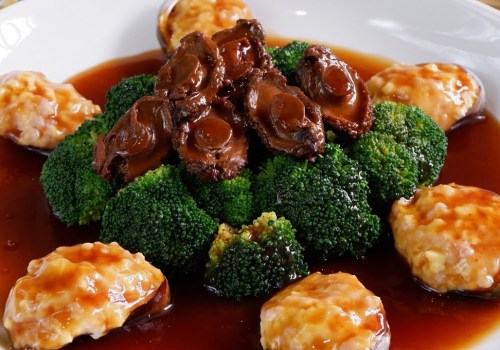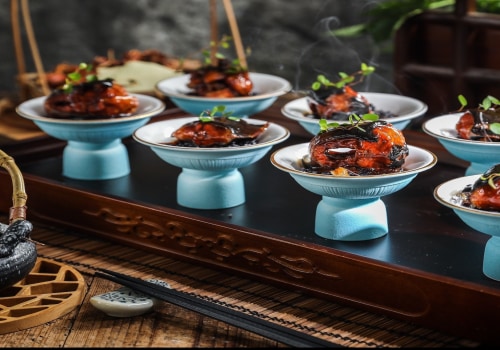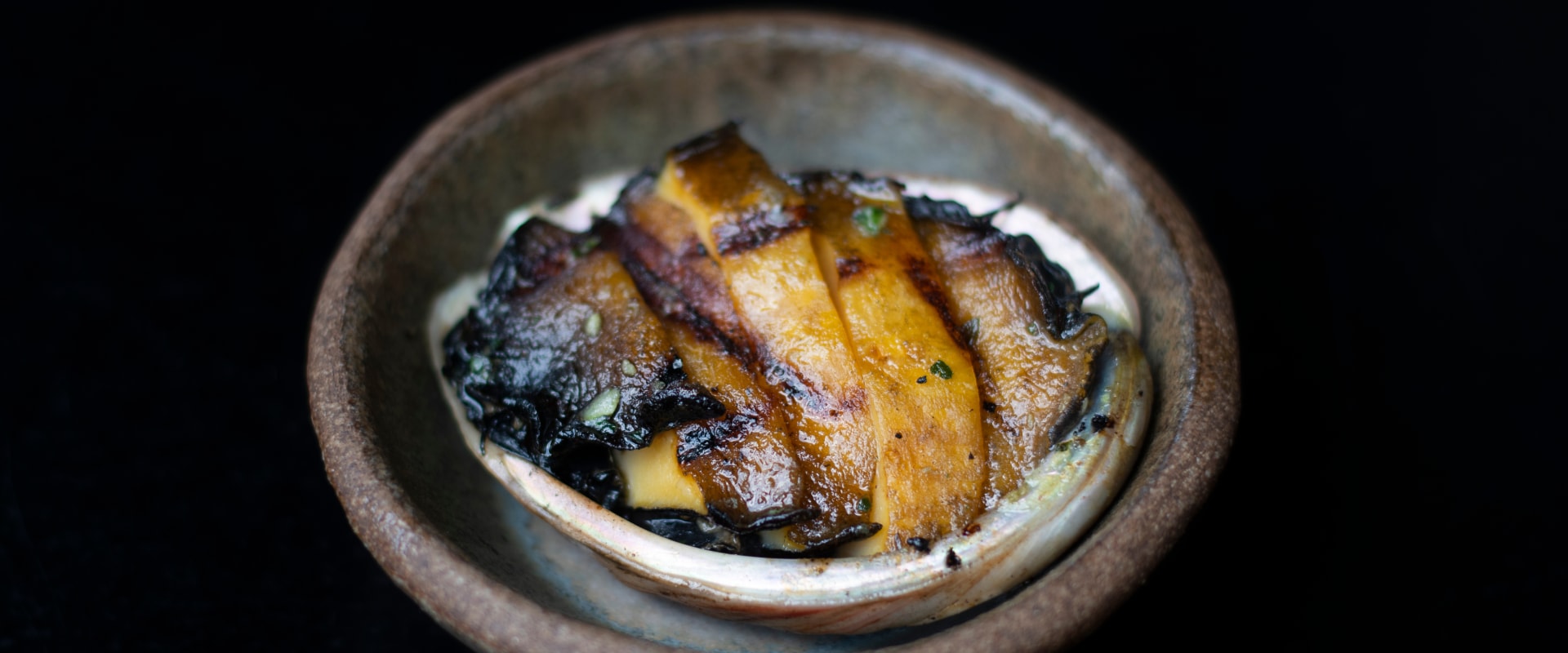
Abalones, often regarded as one of the most exquisite seafood delicacies in Chinese cuisine, hold a special place in the hearts of culinary enthusiasts. These marine snails, with their unique, firm texture and subtly sweet flavor, are not just a treat for the palate but also a symbol of luxury and sophistication in many traditional Chinese dishes. Their rich history in Chinese cooking dates back centuries, where they have been celebrated for their nutritional benefits and culinary versatility.Incorporating abalones into your cooking repertoire can elevate your dishes to new heights. The delicate nature of abalones requires a mastery of specific culinary techniques to ensure that their natural flavors are preserved while achieving the perfect tenderness.
Whether you are preparing a festive banquet or a simple family meal, understanding how to cook abalones properly can transform an ordinary dish into an extraordinary experience. The fast and hot cooking method, particularly stir-frying, is one of the most effective ways to achieve this, allowing the abalones to retain their juiciness while absorbing the vibrant flavors of accompanying ingredients.As we delve deeper into the world of abalones and their role in Chinese cooking, it becomes clear that mastering these techniques is essential for any aspiring chef or home cook. From selecting the freshest abalones to employing the right cooking methods, each step plays a crucial role in crafting a memorable dining experience. Join us as we explore the art of cooking tender abalones and discover how this prized ingredient can enhance your culinary creations.
Understanding Abalones: A Culinary Treasure
Abalones are a unique type of marine mollusk that have captivated the culinary world, particularly in Chinese cuisine.Known for their distinctive shell and tender meat, these sea snails are not only a delicacy but also a source of numerous health benefits. Understanding the characteristics of abalones, including their various types and nutritional advantages, is essential for appreciating their value in cooking.
What Are Abalones?
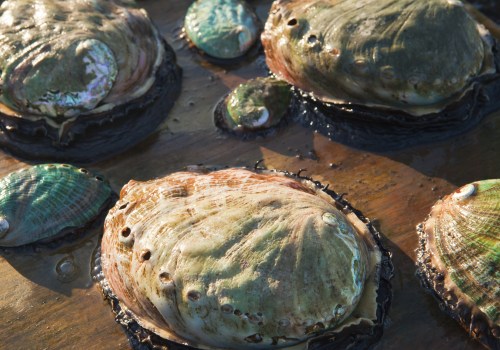
Abalones belong to the family Haliotidae and are characterized by their ear-shaped shells, which are often adorned with a series of holes along the edge. These holes serve as respiratory pores, allowing water to flow over the gills inside. The meat of abalones is prized for its firm texture and subtle sweetness, making it a popular ingredient in many dishes.
Types of Abalones
There are several species of abalones, each with its own unique flavor profile and texture.
Some of the most commonly consumed types include:
- Red Abalone (Haliotis rufescens): Known for its vibrant red shell and rich flavor, this type is often found along the Pacific coast of North America.
- Green Abalone (Haliotis discus hannai): This species is popular in Asian cuisine and is recognized for its greenish shell and tender meat.
- Pinto Abalone (Haliotis kamtschatkana): With a mottled shell, this abalone has a slightly sweet taste and is commonly harvested in colder waters.
- Black Abalone (Haliotis cracherodii): This type features a dark shell and is known for its rich flavor, though it is less commonly available due to conservation efforts.
Nutritional Benefits of Abalones
Beyond their culinary appeal, abalones offer numerous health benefits. They are low in calories yet high in protein, making them an excellent choice for those seeking a nutritious meal. Additionally, abalones are rich in essential nutrients such as:
- Omega-3 Fatty Acids: These healthy fats are known to support heart health and reduce inflammation.
- Vitamins: Abalones contain vitamins B12 and E, which play crucial roles in energy production and skin health.
- Minerals: They are a good source of minerals like calcium, magnesium, and iron, contributing to bone health and overall well-being.
The Fast and Hot Cooking Technique Explained
The fast and hot cooking technique is a cornerstone of Chinese culinary practices, particularly when it comes to preparing delicate ingredients like abalones.This method, primarily executed through stir-frying , emphasizes high heat and quick cooking times, which are essential for preserving the natural tenderness and flavor of the abalones.At its core, stir-frying involves cooking food rapidly in a small amount of oil over high heat. This technique not only enhances the taste but also maintains the nutritional value of the ingredients. When applied to abalones, it ensures that they remain succulent and flavorful rather than becoming tough or rubbery.To effectively utilize this technique, follow these key steps:
- Preheat Your Wok: Begin by heating your wok or pan until it is smoking hot. This high temperature is crucial as it allows for a quick sear on the abalones, locking in moisture and flavor.
- Use Minimal Oil: Add just enough oil to coat the bottom of the wok.
Too much oil can lead to steaming rather than stir-frying, which can compromise the texture of the abalones.
- Add Abalones Quickly: Once the oil is shimmering, add your prepared abalones. The key here is to ensure they are in a single layer to allow even cooking.
- Stir-Fry Briefly: Stir-fry the abalones for just a few minutes—typically 2 to 4 minutes—depending on their size. The goal is to achieve a slight browning while keeping them tender.
- Incorporate Seasonings: During the last minute of cooking, add your choice of seasonings such as garlic, ginger, or soy sauce. This will infuse the abalones with flavor without overpowering their natural taste.
Experimenting with different sauces or aromatics can lead to unique variations that highlight the abalone's delicate taste.In summary, mastering the fast and hot cooking technique through stir-frying is essential for anyone looking to prepare tender and flavorful abalone dishes. By focusing on high heat and quick cooking times, you can achieve restaurant-quality results right in your own kitchen.
Preparing Your Abalones: Essential Steps
Preparing abalones properly is crucial for achieving a tender and flavorful dish. This process involves several key steps that ensure the best results when cooking. Below, we outline the essential steps for preparing your abalones.Selecting Fresh Abalones
The first step in preparing abalones is selecting the right ones.When shopping for abalones, look for:
- Firmness: Choose abalones that feel firm to the touch. A fresh abalone should not be soft or squishy.
- Weight: Heavier abalones indicate a good amount of meat inside, which is a sign of freshness.
- Shell Condition: Inspect the shell for any cracks or damage. A healthy abalone will have an intact shell.
Cleaning Your Abalones
Once you have selected your abalones, the next step is cleaning them thoroughly to remove any dirt or debris:- Rinse: Place the abalones under cold running water. This helps to wash away surface dirt.
- Scrub: Use a small brush or toothbrush to gently scrub the shell, paying attention to any crevices where dirt may hide.
- Soak: For extra cleanliness, soak the abalones in a bowl of cold water for about 30 minutes.
This allows them to expel any sand or grit from their insides.
Tenderizing Abalones
Tenderizing is an important step to ensure that your abalones are not tough or chewy after cooking. Here’s how to do it effectively:- Pounding: Use a meat tenderizer or a mallet to gently pound the abalones. Be careful not to apply too much force; you want to break down the muscle fibers without damaging the meat.
- Marinating: Consider marinating the cleaned and tenderized abalones in a mixture of soy sauce, ginger, and garlic for at least 30 minutes. This not only enhances flavor but also helps in tenderizing further.
Removing the Shell
The final step in preparation is removing the abalone from its shell:- Loosening: Use a sharp knife to carefully pry open the shell.
Start at one edge and work your way around.
- Detaching Meat: Once opened, gently detach the meat from the shell using your knife, being cautious not to tear it.
Flavorful Seasoning Ideas for Abalones
When it comes to cooking abalones, the right seasoning can elevate your dish from ordinary to extraordinary. Abalones have a delicate flavor that pairs beautifully with a variety of seasonings and sauces. Here are some flavorful ideas to enhance your abalone dishes:- Ginger and Garlic: A classic combination in Chinese cooking, minced ginger and garlic can add a fragrant depth to your abalones. Sauté them in hot oil before adding the abalones for a robust flavor.
- Soy Sauce: This staple ingredient brings umami richness to your dish.
Use light soy sauce for a subtle flavor or dark soy sauce for a deeper color and taste. A splash of soy sauce just before serving can also enhance the overall flavor.
- Oyster Sauce: Known for its savory sweetness, oyster sauce complements the natural taste of abalones perfectly. Mix it with a bit of sugar and sesame oil for a delightful glaze.
- Chili Oil: For those who enjoy a bit of heat, drizzle some chili oil over your cooked abalones. It adds a spicy kick that balances the sweetness of the seafood.
- Rice Wine: Adding a splash of Chinese rice wine during cooking can help tenderize the abalones while imparting a subtle aroma that enhances their flavor.
- Coriander and Spring Onions: Fresh herbs like coriander and chopped spring onions can be sprinkled on top just before serving.
They add freshness and a pop of color to your dish.
- Szechuan Sauce: Combine soy sauce, vinegar, sugar, garlic, and Szechuan peppercorns for a spicy and tangy sauce that pairs well with stir-fried abalones.
- Lemon Butter Sauce: Melt butter with lemon juice, garlic, and parsley for a rich sauce that adds brightness to your abalone dish.
- Miso Glaze: Mix miso paste with honey, soy sauce, and rice vinegar for a sweet-savory glaze that enhances the umami flavor of the abalones.
Step-by-Step Guide to Cooking Tender Abalones
Cooking tender abalones using the fast and hot technique is not only efficient but also a delightful way to enjoy this delicacy. Follow this step-by-step guide to ensure your abalones are perfectly cooked and bursting with flavor.- Gather Your Ingredients: Start by assembling all necessary ingredients.
You will need:
- Fresh abalones (about 500g)
- 2 tablespoons of vegetable oil
- 2 cloves of garlic, minced
- 1 tablespoon of ginger, finely chopped
- 2 tablespoons of soy sauce
- 1 tablespoon of oyster sauce
- 1 teaspoon of sesame oil
- Spring onions, chopped for garnish
- Salt and pepper to taste
- Prepare the Abalones: Before cooking, it’s crucial to prepare the abalones properly:
- Select Fresh Abalones: Choose firm and heavy abalones for the best texture.
- Clean Thoroughly: Rinse under cold water and scrub the shells to remove any dirt.
- Tenderize: Lightly pound the abalones with a meat mallet to ensure tenderness.
- Remove from Shell: Carefully pry open the shell with a sharp knife and extract the meat.
- Heat Your Wok: Place your wok or large pan over high heat. Allow it to become very hot before adding any oil. This step is essential for achieving that fast and hot cooking effect.
- Add Oil and Aromatics: Once the wok is hot, pour in the vegetable oil. Immediately add the minced garlic and ginger, stirring quickly to release their flavors without burning them.
- Cook the Abalones: Add the prepared abalones to the wok.
Stir-fry them for about 2-3 minutes, ensuring they are evenly coated with the oil and aromatics. The high heat will help seal in their natural juices.
- Add Sauces: Pour in the soy sauce, oyster sauce, and sesame oil. Stir well to combine all ingredients, allowing the abalones to absorb the flavors for another minute.
- Taste and Adjust: Season with salt and pepper according to your preference. Remember that soy sauce can be salty, so taste before adding more salt.
- Garnish and Serve: Remove from heat and transfer your stir-fried abalones to a serving plate.
Garnish with chopped spring onions for a fresh touch.
Common Mistakes to Avoid When Cooking Abalones
Cooking abalones can be a delightful experience, but it’s easy to make mistakes that can lead to tough, chewy results. To help you achieve the perfect abalone dish, here are some common pitfalls to avoid:- Overcooking: One of the most frequent mistakes is cooking abalones for too long.
Abalones are delicate and require only a short cooking time. Overcooking can result in a rubbery texture. Aim for just a few minutes of high-heat cooking to keep them tender.
- Insufficient Preparation: Properly preparing your abalones is crucial. Failing to clean them thoroughly or not tenderizing them can lead to an unpleasant eating experience.
Always rinse them under cold water and scrub away any debris before cooking. Additionally, using a meat tenderizer or lightly pounding them can help break down tough fibers.
- Wrong Cooking Temperature: Using low heat is another common mistake. Abalones need high heat to sear quickly and lock in their natural juices. Ensure your wok or pan is preheated before adding the abalones to achieve that perfect sear.
- Poor Seasoning Choices: The flavor of abalones is subtle, so it’s essential to choose seasonings that complement rather than overpower their natural taste.
Avoid heavy sauces; instead, opt for light marinades or simple seasonings like garlic, ginger, and soy sauce.
- Neglecting Rest Time: After cooking, allow your abalones to rest for a minute or two before serving. This helps the juices redistribute throughout the meat, enhancing flavor and tenderness.
Frequently Asked Questions About Cooking Abalones
Cooking with abalones can be a delightful experience, but it often comes with questions, especially for those new to this exquisite seafood. Here are some frequently asked questions that can help you navigate the world of abalone cooking.What is the best way to cook abalones?
The best way to cook abalones is through quick methods like stir-frying or steaming.These techniques preserve their delicate texture and flavor. When stir-frying, ensure your wok is preheated to a high temperature and cook the abalones for just a few minutes to avoid toughness.
How do I know if my abalones are fresh?
- Appearance: Fresh abalones should have a moist, shiny surface and a firm body.
- Smell: They should have a clean, ocean-like scent. A strong fishy odor indicates they may not be fresh.
- Weight: Choose abalones that feel heavy for their size, as this suggests they are full of meat.
Can I use frozen abalones?
Yes, frozen abalones can be used in cooking. However, it’s essential to thaw them properly in the refrigerator before cooking.Avoid using a microwave for thawing, as it can affect their texture.
What are some common mistakes when cooking abalones?
- Overcooking: One of the most common mistakes is overcooking, which leads to a rubbery texture. Always cook them quickly over high heat.
- Poor seasoning: Abalones have a mild flavor that can be enhanced with the right seasonings. Experiment with ginger, garlic, and soy sauce for a delicious result.
How do I clean and prepare abalones?
- Rinse: Start by rinsing the abalones under cold water to remove any sand or debris.
- Scrub: Use a soft brush to scrub the shell gently.
- Pry open: Carefully use a knife to open the shell and remove the meat without damaging it.
Conclusion: Elevating Your Chinese Cooking with Abalones
In conclusion, the journey through the world of abalones and their integration into Chinese cooking has unveiled a treasure trove of culinary possibilities.By mastering the fast and hot technique , you not only enhance the tenderness and flavor of this exquisite seafood but also elevate your overall cooking skills. Abalones, with their unique texture and subtle sweetness, serve as a versatile ingredient that can transform ordinary dishes into extraordinary culinary experiences.Throughout this article, we have explored the essential steps for preparing abalones, from selecting the freshest specimens to cleaning and tenderizing them properly. Each step is crucial in ensuring that your final dish is not only delicious but also showcases the natural qualities of the abalone. The fast and hot cooking method allows you to achieve restaurant-quality results in a fraction of the time, making it an ideal choice for busy weeknights or special occasions.As you experiment with different seasonings and sauces, remember that the beauty of cooking lies in creativity.
Whether you prefer a classic soy sauce and garlic combination or wish to venture into more adventurous flavor profiles, abalones can adapt beautifully to various culinary styles. Here are some ideas to inspire your next dish:
- Garlic Butter Abalones: Sauté abalones in a rich garlic butter sauce for a decadent treat.
- Spicy Sichuan Abalones: Incorporate Sichuan peppercorns and chili oil for a fiery kick.
- Citrus-Infused Abalones: Marinate in citrus juices for a refreshing twist.
Embrace the fast and hot technique, experiment boldly, and enjoy the process of creating delicious meals that celebrate this remarkable ingredient. Happy cooking!.