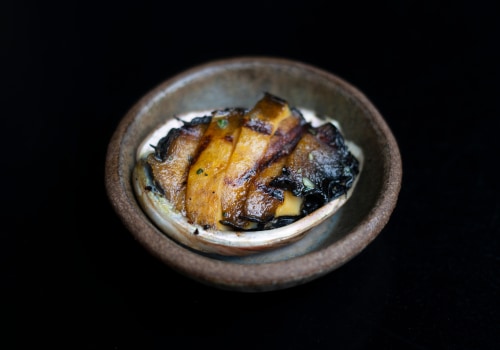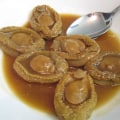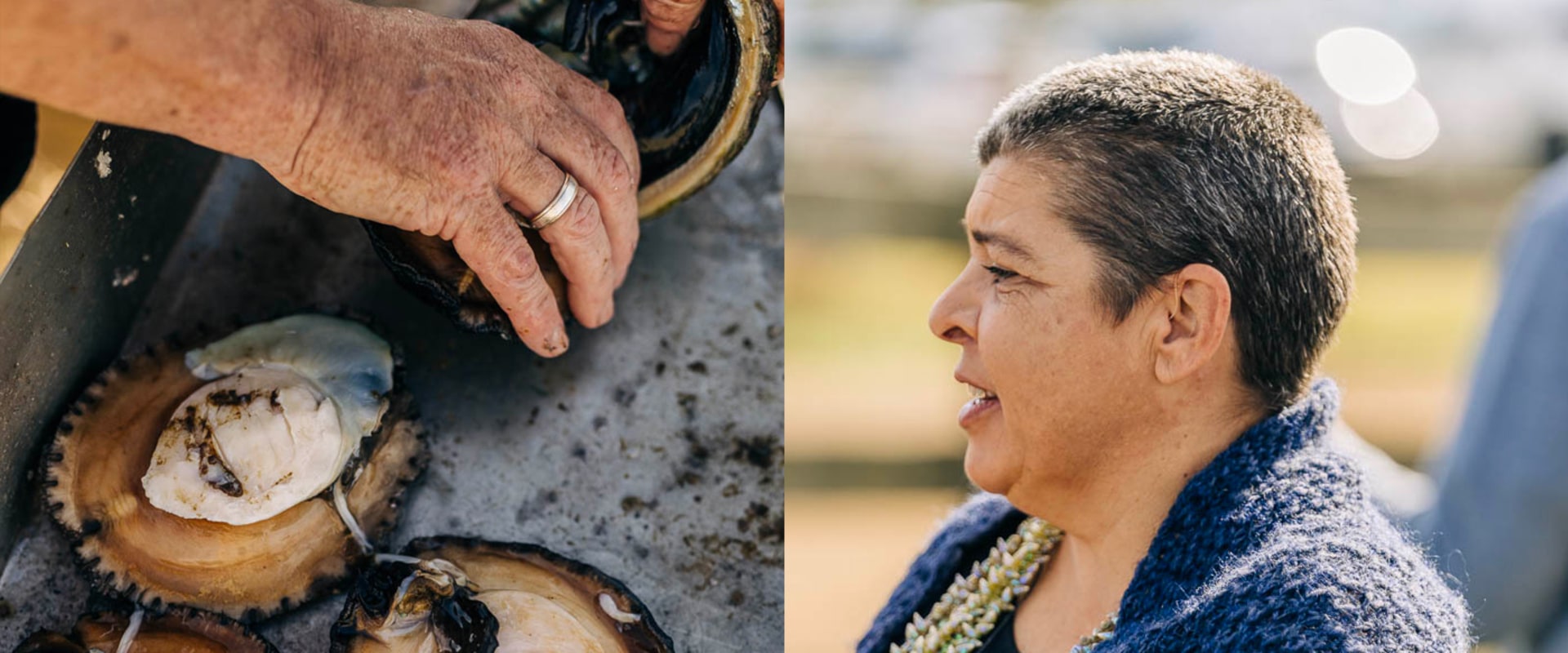
Abalones, with their unique appearance and rich flavor, have long held a revered place in Chinese cuisineChinese cuisine. These marine mollusks are not just a culinary delight; they embody a deep cultural significance that resonates through centuries of tradition. In Chinese culture, abalones symbolize wealth, prosperity, and good fortune, making them a coveted ingredient in celebratory meals and special occasions. Their presence on the banquet table is often seen as a mark of honor and respect for guests, elevating the dining experience to one of luxury and significance.The history of abalones in China can be traced back to ancient dynasties, where they were considered a delicacy reserved for emperors and nobility.
Historical records indicate that these prized seafood were often featured in royal feasts, showcasing the culinary sophistication of the time. As trade routes expanded, abalones became more accessible to the general populace, yet they retained their status as a symbol of affluence. This historical context enriches our understanding of why abalones are integral to traditional banquet menus today.Incorporating abalones into meals is not merely about flavor; it is about honoring age-old customs and celebrating cultural heritage. The act of serving abalones at significant events—be it weddings, birthdays, or the Lunar New Year—reflects a deep-seated belief in their ability to bring luck and prosperity.
As we explore the various ways to prepare and present abalones in traditional banquet settings, we will uncover not only delicious recipes but also the stories and traditions that make these dishes so meaningful.
Historical Context: Abalones Through the Ages
The journey of abalones in Chinese cuisine is a fascinating tale that spans centuries, reflecting the cultural and economic shifts within society. In ancient China, particularly during the Tang dynasty (618-907 AD), abalones were regarded as a luxury item, often reserved for the elite. Their unique flavor and texture made them a sought-after delicacy, and they were frequently featured in royal banquets and feasts.During this period, abalones were not only valued for their culinary qualities but also for their perceived health benefits. Ancient texts often highlighted their nutritional properties, suggesting that they could enhance vitality and longevity.This belief contributed to their status as a symbol of wealth and prosperity, making them a staple in celebratory meals.As time progressed into the Song dynasty (960-1279 AD), the popularity of abalones continued to rise. They became more accessible to the affluent merchant class, who began to incorporate them into their own lavish banquets. The growing demand led to increased harvesting along the coastal regions of China, where abalones thrived. This period marked a significant shift as abalones transitioned from being exclusive to the imperial court to becoming a prized dish among wealthy families.By the Ming (1368-1644 AD) and Qing dynasties (1644-1912 AD), abalones had firmly established themselves in traditional Chinese cuisine. This belief contributed to their status as a symbol of wealth and prosperity, making them a staple in celebratory meals.As time progressed into the Song dynasty (960-1279 AD), the popularity of abalones continued to rise. They became more accessible to the affluent merchant class, who began to incorporate them into their own lavish banquets. The growing demand led to increased harvesting along the coastal regions of China, where abalones thrived. This period marked a significant shift as abalones transitioned from being exclusive to the imperial court to becoming a prized dish among wealthy families.By the Ming (1368-1644 AD) and Qing dynasties (1644-1912 AD), abalones had firmly established themselves in traditional Chinese cuisine.
They were often prepared using various cooking methods such as braising and steaming, allowing chefs to showcase their delicate flavors. Dishes like braised abalone with oyster sauce became synonymous with luxury dining experiences, especially during festivals and important family gatherings.In modern times, abalones continue to hold a prestigious place in Chinese culinary traditions. They are commonly served at weddings, birthdays, and other significant celebrations, symbolizing good fortune and abundance. The evolution of abalones from an imperial delicacy to a beloved dish enjoyed by many reflects not only changes in culinary practices but also the enduring cultural significance of this remarkable seafood.Today, as chefs experiment with new recipes and cooking techniques, abalones remain a versatile ingredient that bridges traditional flavors with contemporary cuisine.
Their rich history serves as a reminder of the deep-rooted connections between food, culture, and identity in Chinese society.
Symbolism and Prosperity: Why Abalones Are a Banquet Essential
Abalones hold a significant place in Chinese culture, particularly in the context of traditional banquets. Their symbolism extends beyond mere culinary delight; they are deeply intertwined with concepts of wealth, prosperity, and good fortune. Understanding the rich meanings associated with abalones can enhance the experience of incorporating them into banquet menus.Historically, abalones were considered a luxury item, often reserved for emperors and high-ranking officials. This exclusivity has contributed to their status as a symbol of prosperity.In Chinese tradition, serving abalones at a banquet is not just about the dish itself; it is a gesture that signifies abundance and success. The presence of abalones on the table is believed to invite good luck and fortune, making them a popular choice for celebratory occasions such as weddings, birthdays, and the Lunar New Year.The unique appearance of abalones also adds to their symbolic value. Their iridescent shells are reminiscent of precious gems, further enhancing their association with wealth. In many cultures, including Chinese, the visual appeal of food plays a crucial role in its perceived value.
Thus, the stunning presentation of abalone dishes can elevate the overall dining experience, making it not only a feast for the palate but also for the eyes.Moreover, abalones are often featured in traditional Chinese proverbs and sayings that emphasize prosperity. For instance, phrases that include references to seafood or specific dishes highlight the importance of these delicacies in achieving success and happiness. This cultural backdrop reinforces the idea that incorporating abalones into banquet menus is more than just a culinary choice; it is a way to honor tradition and invite positive energy into gatherings.In conclusion, the symbolism of abalones as a representation of wealth and prosperity makes them an essential component of traditional Chinese banquets. By understanding their significance, hosts can create menus that not only satisfy culinary desires but also resonate with cultural values and aspirations for abundance.
Popular Cooking Methods for Abalones
When it comes to preparing abalones, the cooking method you choose can significantly impact the flavor and texture of this prized delicacy.Here, we will explore three popular cooking techniques: braising, steaming, and stir-frying. Each method brings out the unique qualities of abalones while ensuring they remain tender and flavorful.
Braising Abalones
Braising is a traditional cooking method that involves slow-cooking abalones in a flavorful liquid. This technique not only tenderizes the meat but also allows it to absorb rich flavors from the accompanying ingredients. Here’s how to braise abalones:- Preparation: Start by cleaning the abalones thoroughly under cold running water.
Remove any debris and scrub the shells gently. Next, detach the meat from the shell and remove the innards.
- Marination: Marinate the cleaned abalones in a mixture of soy sauce, oyster sauce, and a splash of rice wine for at least 30 minutes. This step enhances their flavor.
- Braising: In a pot, heat some oil and sauté ginger, garlic, and scallions until fragrant. Add the marinated abalones along with the marinade and additional ingredients like mushrooms or bamboo shoots.
Cover and let it simmer on low heat for about 2-3 hours until tender.
- Serving: Serve the braised abalones hot, drizzled with the rich sauce from the pot.
Steaming Abalones
Steaming is another excellent method for cooking abalones, preserving their natural flavors while keeping them moist. This technique is particularly favored for its health benefits as it requires minimal oil. Follow these steps to steam abalones:- Cleaning: Clean the abalones as described earlier, ensuring they are free from any grit.
- Marination: Marinate them in a simple mixture of soy sauce and rice wine for about 15 minutes.
- Steaming: Place the abalones on a steaming rack over boiling water. You can add slices of ginger or garlic on top for added flavor.
Steam for approximately 10-15 minutes until cooked through.
- Serving: Serve immediately with a dipping sauce made from soy sauce, vinegar, and minced garlic for an extra kick.
Stir-Frying Abalones
If you prefer a quicker cooking method that still delivers delicious results, stir-frying is an ideal choice. This technique allows you to incorporate various vegetables and seasonings for a vibrant dish. Here’s how to stir-fry abalones:- Preparation: Clean and slice the abalones into thin pieces.
- Marination: Marinate them briefly in soy sauce and oyster sauce to infuse flavor.
- Stir-Frying: Heat a wok or large pan over high heat and add oil. Once hot, add the marinated abalones and stir-fry for about 2-3 minutes until they turn golden brown.
Add your choice of vegetables such as bell peppers or bok choy and continue to stir-fry for another 2-3 minutes.
- Serving: Serve hot over steamed rice or noodles for a complete meal.
Classic Abalone Dishes for Traditional Banquets
When it comes to traditional Chinese banquets, the inclusion of abalone dishes is not just a culinary choice but a cultural statement. Abalones are revered for their rich flavor and tender texture, making them a centerpiece in many celebratory meals. Here, we explore some classic abalone dishes that are staples in traditional banquet menus.Braised Abalone with Oyster Sauce
This dish is a quintessential representation of how abalones can be transformed into a luxurious meal.The slow braising process allows the abalones to absorb the rich flavors of the oyster sauce, resulting in a dish that is both savory and aromatic.
- Ingredients:
- Fresh abalones
- Oyster sauce
- Soy sauce
- Ginger and garlic
- Spring onions
- Cooking wine
- Water or chicken stock
- Instructions:
- Clean the abalones thoroughly and remove the innards.
- In a pot, heat some oil and sauté ginger and garlic until fragrant.
- Add the abalones and sear them lightly before adding oyster sauce, soy sauce, and cooking wine.
- Pour in enough water or chicken stock to cover the abalones and bring to a boil.
- Reduce heat and let it simmer for about 2 hours until tender.
- Garnish with spring onions before serving.
Steamed Abalone with Garlic
This dish highlights the natural sweetness of abalones while infusing them with the aromatic flavor of garlic. Steaming is a healthier cooking method that preserves the delicate texture of the abalone.- Ingredients:
- Fresh abalones
- Minced garlic
- Soy sauce
- Vermicelli noodles (optional)
- Spring onions for garnish
- Instructions:
- Clean the abalones and place them on a steaming plate.
- If using vermicelli, soak it in hot water until soft and place it under the abalones.
- Top the abalones with minced garlic and drizzle with soy sauce.
- Steam over boiling water for about 10-15 minutes until cooked through.
- Garnish with spring onions before serving.
Selecting and Storing Fresh Abalones: A Guide for Chefs
When it comes to incorporating abalones into your culinary repertoire, the first step is ensuring you select the freshest specimens available. The quality of the abalone directly impacts the flavor and texture of your dishes, making it essential for chefs to be discerning when purchasing this prized seafood.How to Select Fresh Abalones
Here are some key tips to help you choose high-quality abalones:- Appearance: Look for abalones with a smooth, shiny shell.
The color can vary, but it should be vibrant and free from any cracks or blemishes. A dull or damaged shell may indicate poor quality.
- Texture: Fresh abalones should feel firm to the touch. Gently press on the shell; if it feels soft or gives way easily, it may not be fresh.
- Aroma: A fresh abalone should have a clean, ocean-like scent. Avoid any that emit a strong fishy odor, as this can be a sign of spoilage.
- Size: Depending on your recipe, consider the size of the abalone.
Larger abalones are often more tender and flavorful, while smaller ones can be used in stir-fries or soups.
Storing Abalones Properly
Once you've selected your abalones, proper storage is crucial to maintain their freshness until you're ready to cook them. Here are some effective storage techniques:- Refrigeration: Store fresh abalones in the refrigerator at temperatures below 4°C (39°F). Place them in a breathable container, such as a mesh bag or a bowl covered with a damp cloth, to prevent them from drying out.
- Avoid Water: Do not store abalones submerged in water, as this can lead to spoilage. Instead, keep them moist but not wet.
- Consumption Timeline: For optimal flavor and texture, consume fresh abalones within 2-3 days of purchase.
If you cannot use them immediately, consider freezing them.
Freezing Abalones
If you need to store abalones for an extended period, freezing is an option. Follow these steps for best results:- Clean: Rinse the abalones under cold water and scrub off any debris.
- Blanch: Briefly blanch them in boiling water for about 1-2 minutes to kill bacteria and preserve texture.
- Cool and Pack: After blanching, cool them quickly in ice water. Once cooled, pack them in airtight freezer bags or containers.
- Label and Freeze: Label the bags with the date and freeze them. They can be stored for up to six months.
Common Mistakes When Cooking Abalones and How to Avoid Them
Cooking with abalones can be a rewarding experience, but it’s not without its challenges.Many home cooks, whether novice or experienced, often encounter common mistakes that can lead to less-than-ideal results. Understanding these pitfalls and how to avoid them is crucial for achieving the perfect abalone dish.
1.Overcooking the Abalones
One of the most frequent errors when preparing abalones is overcooking them. Abalones are delicate and can become tough and chewy if cooked for too long. To prevent this:- Monitor Cooking Time: Whether you are braising, steaming, or stir-frying, keep a close eye on the cooking time.
Generally, abalones require only a few minutes of cooking.
- Test for Doneness: Use a fork or chopstick to check the texture. They should be tender yet firm to the bite.
2.Not Cleaning Properly
Another common mistake is neglecting to clean abalones thoroughly before cooking. Residual sand and grit can affect the flavor of your dish. To ensure cleanliness:- Rinse Under Cold Water: Gently scrub the shells under running water to remove any dirt.
- Remove the Innards: Carefully detach the meat from the shell and remove any internal organs, as they can impart a bitter taste.
3.Using Low-Quality Abalones
The quality of your abalones significantly impacts the final dish.Using low-quality or stale abalones can lead to disappointing results. To select the best:
- Look for Freshness: Choose abalones that are firm and have a shiny surface. Avoid those with any signs of discoloration or unpleasant odors.
- Purchase from Reputable Sources: Buy from trusted seafood markets or suppliers who specialize in fresh seafood.
4.Ignoring Flavor Pairings
A common oversight is not considering flavor pairings when cooking with abalones. Their subtle taste can be easily overwhelmed by strong flavors.To enhance your dish:
- Use Complementary Ingredients: Pair abalones with mild ingredients like ginger, garlic, and light soy sauce to enhance their natural flavor without overpowering it.
- Avoid Heavy Sauces: Steer clear of overly rich sauces that can mask the delicate taste of abalones.
Conclusion: Elevating Your Banquet Experience with Abalones
Incorporating abalones into your traditional banquet menus not only enhances the culinary experience but also adds a layer of cultural significance that resonates deeply within Chinese heritage. As we have explored throughout this article, abalones are more than just a delicacy; they symbolize wealth, prosperity, and good fortune, making them an ideal choice for special occasions.From their rich history in Chinese cuisine to the various cooking methods that bring out their unique flavors, abalones offer a versatile ingredient that can elevate any banquet. Whether you choose to braise, steam, or stir-fry them, each method highlights the delicate texture and taste of these prized sea creatures. The dishes we discussed, such as Braised Abalone with Mushrooms and Steamed Abalone with Garlic, showcase how abalones can be seamlessly integrated into both traditional and modern recipes.Moreover, experimenting with different recipes allows you to personalize your banquet experience.Consider incorporating abalones into fried rice or using them as a topping for dumplings to surprise your guests with innovative twists on classic dishes. The possibilities are endless, and each creation can reflect your culinary style while honoring the rich traditions of Chinese cooking.As you plan your next banquet, remember the importance of selecting fresh, high-quality abalones. Their flavor and texture are paramount to achieving a memorable dish. By following the tips outlined in this article and embracing the art of cooking with abalones, you can create an unforgettable dining experience that pays homage to Chinese culture.In conclusion, incorporating abalones into your banquet menus is not just about serving a luxurious dish; it’s about celebrating a tradition that has stood the test of time.
So gather your ingredients, unleash your creativity in the kitchen, and prepare to impress your guests with the exquisite flavors of abalone dishes that embody both elegance and cultural significance.