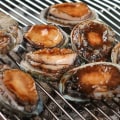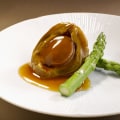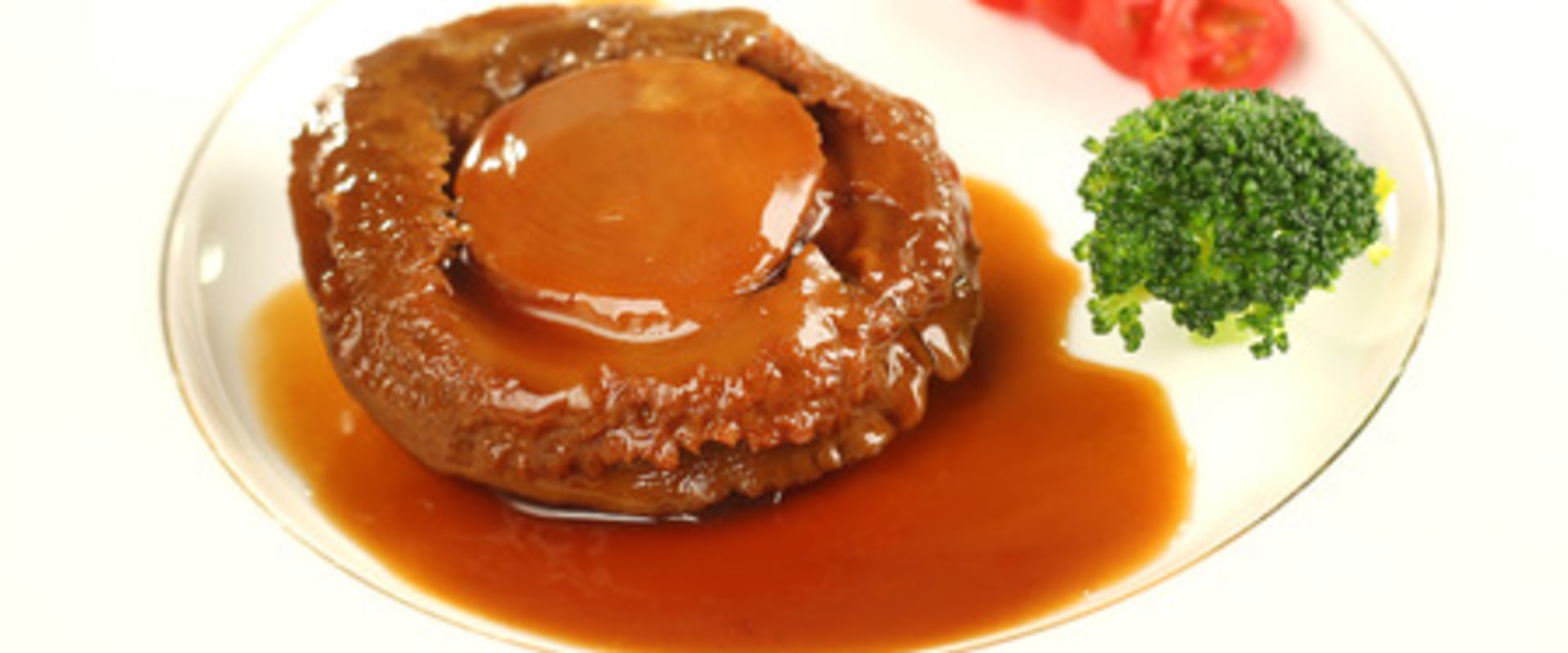
Abalone, a prized delicacy in Chinese cuisine, holds a significant place in the hearts and tables of many, especially during Abalone, a prized delicacy in Chinese cuisine, holds a significant place in the hearts and tables of many, especially during banquets and celebrations. Known for its unique flavor and tender texture, abalone is not just a culinary delight but also a symbol of wealth and prosperity. Its presence at important gatherings is steeped in tradition, reflecting the cultural values that have been passed down through generations. As we explore the significance of abalone dishes, we uncover a rich tapestry of history, symbolism, and culinary artistry that elevates this mollusk to a status of reverence in Chinese culture. The cultural importance of abalone extends beyond its taste; it embodies the essence of abundance and good fortune.
Traditionally served during auspicious occasions such as weddings, Lunar New Year festivities, and milestone celebrations, abalone dishes are believed to bring luck and prosperity to those who partake in them. The round shape of the abalone is reminiscent of coins, further reinforcing its association with wealth. This connection to fortune makes it a staple on banquet tables, where it is often presented as a centerpiece dish that signifies the host's generosity and desire for prosperity. In addition to its symbolic meanings, the preparation of abalone is an art form in itself. Chefs employ various cooking techniques—such as steaming, braising, and stir-frying—to highlight the mollusk's delicate flavor while ensuring its texture remains tender yet firm.
Each method brings out different aspects of the abalone, allowing it to shine alongside other traditional ingredients like mushrooms and vegetables. As we delve deeper into the world of abalone dishes in Chinese cooking, we will uncover not only the recipes that celebrate this exquisite ingredient but also the stories and traditions that make it an integral part of Chinese culinary heritage.
Historical Context of Abalone in Chinese Culture
The history of abalone in Chinese culture is rich and multifaceted, reflecting the evolution of culinary practices and societal values over centuries. Abalone, known as "bao yu" (鲍鱼) in Mandarin, has been revered not only for its exquisite taste but also for its symbolic significance, particularly as a representation of wealth and prosperity. In ancient China, abalones were considered a luxury item, often reserved for the elite and royalty. Historical records indicate that during the Tang Dynasty (618-907 AD), abalones were highly sought after by emperors who enjoyed them as a delicacy.The rarity of this mollusk made it a prized possession, and it was often featured in lavish banquets held to impress dignitaries and guests. As trade routes expanded during the Song Dynasty (960-1279 AD), abalones became more accessible to the affluent classes. This period marked a significant shift in the culinary landscape, as the inclusion of abalone in various dishes began to symbolize not just wealth but also social status. The round shape of the abalone, reminiscent of coins, further reinforced its association with prosperity. Throughout history, abalones have also been linked to traditional Chinese medicine. Ancient texts suggest that they were believed to possess health benefits, including enhancing vitality and promoting longevity.
This medicinal aspect contributed to their esteemed status in Chinese culture, making them a staple at important celebrations such as weddings and New Year festivities. Moreover, the cultural heritage surrounding abalone extends beyond its culinary uses. In many regions of China, it is customary to present abalones as gifts during significant life events, symbolizing good fortune and blessings. This practice underscores the mollusk's role as a harbinger of prosperity and well-being. In summary, the historical context of abalone in Chinese culture is deeply intertwined with notions of wealth, health, and social status. Its journey from a delicacy enjoyed by emperors to a symbol of good fortune reflects the evolving values within Chinese society.
Today, abalone continues to hold a prestigious place in Chinese cuisine, embodying both tradition and luxury.
Symbolism of Abalone in Celebrations
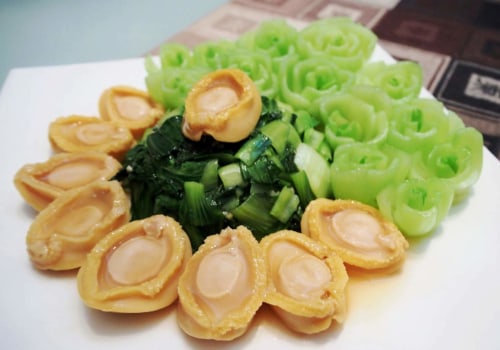
In the realm of Chinese celebrations, the presence of abalone dishes transcends mere culinary delight; it embodies profound symbolism deeply rooted in cultural beliefs. Abalone, with its unique shape and texture, is often associated with wealth and prosperity , making it a favored choice for significant occasions such as weddings, birthdays, and the Lunar New Year.The symbolism of abalone can be traced back to its historical significance. In ancient China, abalones were considered a luxury item, reserved for the elite and royalty. This exclusivity has led to the belief that serving abalone at a banquet is a way to invite good fortune and abundance into one’s life.The round shape of the abalone is reminiscent of coins, further reinforcing its association with wealth.During celebrations, the act of serving abalone is not just about the dish itself; it is a ritual that signifies the host's wishes for prosperity and success for their guests. The preparation and presentation of abalone dishes are often elaborate, showcasing the importance of the ingredient. For instance, whole abalones are frequently served to symbolize completeness and wholeness in life.Moreover, abalone dishes are often paired with other auspicious ingredients such as sea cucumbers and fish maw, which also carry meanings of wealth and good luck. This combination not only enhances the flavor profile but also amplifies the symbolic significance of the meal.In addition to their role in banquets, abalones are also gifted during special occasions as tokens of good wishes.
Presenting abalone to friends or family members is seen as a gesture that conveys hopes for their future prosperity and happiness.Ultimately, the symbolism of abalone in Chinese celebrations serves as a reminder of the cultural values surrounding wealth, abundance, and good fortune. By incorporating this exquisite delicacy into festive meals, families honor tradition while simultaneously expressing their aspirations for a prosperous future.
Traditional Cooking Methods for Abalones
When it comes to preparing abalones, traditional Chinese cooking methods play a crucial role in enhancing their unique flavor and texture. Each method not only brings out the natural essence of the abalone but also reflects the rich culinary heritage of Chinese cuisine. Here, we explore some of the most popular traditional cooking techniques for abalones.Steaming Abalones
Steaming is one of the most revered methods for cooking abalones, as it preserves their delicate flavor and tender texture.This technique involves placing the abalones in a steamer basket, often accompanied by aromatic ingredients such as ginger and scallions. The gentle heat allows the abalone to cook evenly while retaining its natural juices. A common variation includes drizzling a light soy sauce or oyster sauce over the abalones before steaming, which enhances their taste without overpowering their natural sweetness.
Braising Abalones
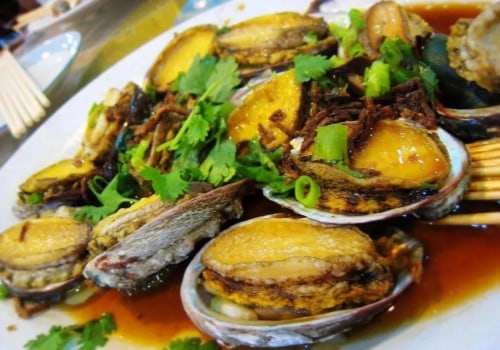
Braising is another traditional method that involves slow-cooking abalones in a flavorful broth. This technique is particularly effective for larger abalones, which may require longer cooking times to become tender.The braising liquid typically consists of a combination of chicken or pork stock, soy sauce, and various spices, allowing the abalone to absorb rich flavors as it cooks. The result is a dish that is both succulent and deeply infused with umami.
Frying Abalones
Frying offers a delightful contrast to the tender texture of abalones by adding a crispy exterior. In this method, the abalones are often coated in a light batter or breadcrumbs before being deep-fried until golden brown. This technique not only enhances the flavor but also provides a satisfying crunch that pairs well with dipping sauces such as sweet chili or soy sauce.Incorporating Abalones into Soups and Stir-Fries
Abalones can also be incorporated into soups and stir-fries, showcasing their versatility in Chinese cooking.In soups, they are often combined with other seafood and vegetables to create a nourishing broth that highlights their unique flavor. Stir-frying abalones with seasonal vegetables and aromatics allows for quick cooking while maintaining their tenderness. This method is particularly popular in modern interpretations of traditional dishes, where chefs experiment with various ingredients to create innovative flavors. In conclusion, the traditional cooking methods for abalones—steaming, braising, frying, and incorporating them into soups or stir-fries—each offer distinct advantages that enhance this prized ingredient's flavor and texture. By mastering these techniques, home cooks can bring the essence of authentic Chinese cuisine into their kitchens while celebrating the cultural significance of abalones in festive meals.
Popular Abalone Recipes for Chinese Cooking
When it comes to incorporating abalones into your meals, there are numerous abalone recipes that showcase this exquisite ingredient.Below are some popular dishes that are not only delicious but also relatively easy to prepare at home.
1.Braised Abalone with Oyster Sauce
This classic dish highlights the tender texture of abalone, enhanced by the rich flavors of oyster sauce.- Ingredients: 4 fresh abalones, 2 tablespoons oyster sauce, 1 tablespoon soy sauce, 1 teaspoon sugar, 2 cloves garlic (minced), 1 tablespoon ginger (sliced), and 1 cup chicken broth.
Instructions:
- Clean the abalones thoroughly under running water.
- In a pan, heat a little oil and sauté the garlic and ginger until fragrant.
- Add the abalones to the pan and sear them for about 2 minutes on each side.
- Pour in the chicken broth, oyster sauce, soy sauce, and sugar. Bring to a boil.
- Reduce heat and let it simmer for about 30 minutes until the abalones are tender.
- Serve hot with steamed rice.
2.Stir-Fried Abalone with Vegetables
This vibrant dish combines abalones with fresh vegetables for a healthy and colorful meal.- Ingredients: 4 fresh abalones (sliced), 1 cup broccoli florets, 1 bell pepper (sliced), 2 carrots (sliced), 2 tablespoons soy sauce, and 1 tablespoon sesame oil.
Instructions:
- Heat sesame oil in a wok over high heat.
- Add the sliced abalones and stir-fry for about 2 minutes until they start to turn golden.
- Add the vegetables and continue to stir-fry for another 3-4 minutes until they are tender-crisp.
- Pour in the soy sauce and toss everything together for an additional minute.
- Serve immediately as a main dish or side dish.
3.Abalone Soup with Chinese Herbs
This nourishing soup is perfect for special occasions and is believed to have health benefits due to its herbal ingredients.- Ingredients: 4 fresh abalones, 10 cups water, 5 slices of ginger, 2 tablespoons goji berries, and a handful of dried Chinese herbs (like angelica root).
Instructions:
- In a large pot, bring water to a boil and add all ingredients.
- Reduce heat and let it simmer for at least an hour to allow the flavors to meld.
- Add the cleaned abalones in the last 15 minutes of cooking.
- Season with salt to taste before serving hot.
Abalone Dishes in Modern Chinese Banquets
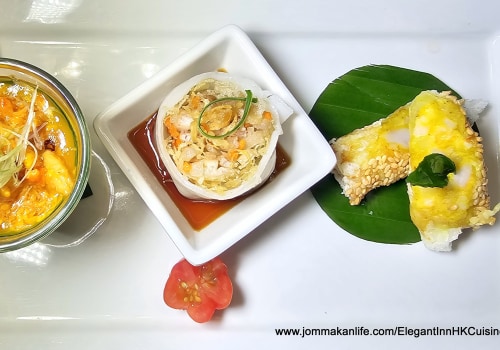
In recent years, the culinary landscape of Chinese banquets has undergone a significant transformation, particularly in the wayIn recent years, the culinary landscape of Chinese banquets has undergone a significant transformation, particularly in the way abalones are featured. Modern chefs are not only preserving traditional cooking methods but are also embracing innovative techniques and contemporary flavors to elevate this luxurious ingredient.One notable trend is the fusion of abalones with international cuisines.Chefs are experimenting with flavors from around the world, incorporating elements such as truffle oil, saffron, and even Western-style sauces. This creative approach allows for a unique dining experience that appeals to a broader audience while still honoring the essence of traditional Chinese cooking.Another evolution in abalone dishes is the presentation. In contemporary Chinese banquets, visual appeal is paramount. Chefs are now plating abalone dishes with artistic flair, using vibrant garnishes and modern plating techniques to create stunning visual compositions.
This not only enhances the dining experience but also reflects the importance of aesthetics in Chinese culture.Moreover, sustainability has become a key consideration in modern Chinese cuisine. As awareness of environmental issues grows, many chefs are sourcing abalones from sustainable fisheries or opting for farmed varieties that ensure quality without compromising ecological balance. This shift not only supports responsible consumption but also aligns with the values of health-conscious diners.In addition to these trends, the use of technology in cooking has also influenced how abalones are prepared. Sous-vide cooking, for instance, allows chefs to achieve precise temperatures and textures, resulting in perfectly tender and flavorful abalone dishes.
This method is increasingly popular in high-end restaurants and modern banquet settings.Furthermore, the rise of health-conscious dining has led to a demand for lighter abalone dishes that focus on natural flavors rather than heavy sauces. Chefs are now creating dishes that highlight the delicate taste of abalones by pairing them with fresh vegetables, herbs, and light broths, making them suitable for a wider range of dietary preferences.As we look towards the future of abalone cuisine , it is clear that this cherished ingredient will continue to evolve within modern Chinese banquets. By blending tradition with innovation, chefs are ensuring that abalone remains a symbol of luxury and prosperity while adapting to contemporary tastes and values.
Cultural Practices Surrounding Abalone Gifting
In Chinese culture, the act of gifting holds profound significance, often intertwined with deep-rooted traditions and beliefs. Among the various gifts exchanged during special occasions, abalones stand out as a symbol of good fortune and prosperity.Their luxurious nature makes them a favored choice for significant celebrations such as weddings, birthdays, and business openings.During weddings, abalones are often presented to the couple as a gesture of goodwill and blessings for a prosperous future together. The round shape of the abalone is reminiscent of coins, symbolizing wealth and abundance. This connection to prosperity is particularly meaningful as families wish for the newlyweds to enjoy a life filled with financial stability and success.Similarly, on birthdays, gifting abalones is seen as a way to convey wishes for longevity and health. In Chinese culture, the consumption of certain foods is believed to influence one's fate and well-being.
By presenting abalones, givers express their hopes that the recipient will enjoy a long and prosperous life. This practice is especially common among family members who wish to honor their loved ones on their special day.Moreover, abalones are also gifted during significant business events or openings. In this context, they symbolize not only wealth but also the hope for fruitful ventures and successful partnerships. Business owners may present abalones to clients or partners as a sign of respect and an invitation for prosperous collaboration.The cultural significance of gifting abalones extends beyond mere symbolism; it reflects the values of generosity and thoughtfulness that are highly regarded in Chinese society.
When selecting abalones as gifts, individuals often consider the quality and presentation, ensuring that they convey their best wishes effectively.In conclusion, the tradition of gifting abalones during special occasions is deeply embedded in Chinese culture. These gifts serve as powerful symbols of good wishes, prosperity, and blessings, making them an integral part of celebrations that honor relationships and shared aspirations.
FAQs About Abalones in Chinese Cuisine
Abalones are a cherished ingredient in Chinese cuisine, often associated with luxury and celebration. Here are some frequently asked questions that can help deepen your understanding of this exquisite mollusk and its role in Chinese cooking.What are abalones?
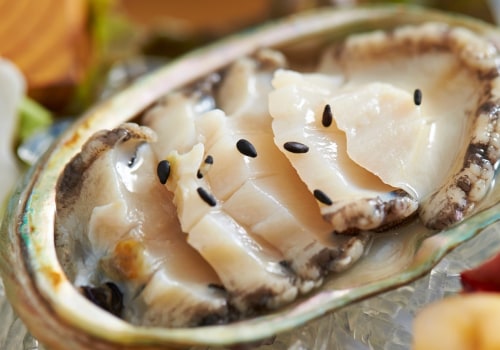
Abalones are marine mollusks known for their distinctive shell and tender meat. They are found in coastal waters around the world, but the most prized varieties come from regions like Japan, Australia, and the United States.In Chinese cuisine, abalones are celebrated for their unique flavor and texture, making them a popular choice for special occasions.
How do you prepare abalones for cooking?
Preparing abalones involves several steps:- Cleaning: Rinse the abalone under cold water to remove any sand or debris. Use a soft brush to scrub the shell gently.
- Removing the meat: Carefully detach the abalone from its shell using a knife. Be cautious not to damage the meat.
- Tenderizing: To ensure tenderness, some cooks choose to pound the abalone lightly or marinate it in a mixture of soy sauce and ginger before cooking.
What are some common cooking methods for abalones?
Abalones can be prepared using various methods, each enhancing their natural flavors:- Steaming: This method preserves the delicate taste of abalone. Steamed abalones are often served with ginger and scallions.
- Braising: Slow-cooking abalones in a rich broth allows them to absorb flavors while becoming tender.
- Stir-frying: Quick cooking at high heat with vegetables and sauces can create a delightful dish that highlights the abalone's texture.
What is the cultural significance of abalones in Chinese celebrations?
In Chinese culture, abalones symbolize wealth and prosperity.Their round shape resembles coins, representing abundance. Serving abalone dishes during significant events like weddings or Lunar New Year celebrations is believed to bring good fortune and success. Additionally, they are often gifted during special occasions as a token of good wishes.
Are there any health benefits associated with eating abalones?
Abalones are not only delicious but also nutritious. They are low in fat and high in protein, making them a healthy choice.Rich in vitamins and minerals such as vitamin B12, iron, and magnesium, they contribute to overall well-being. However, due to their high cost and rarity, they are typically enjoyed on special occasions rather than as an everyday food. Understanding these aspects of abalones can enhance your appreciation for this luxurious ingredient in Chinese cuisine. Whether you’re preparing them for a banquet or simply curious about their significance, knowing more about abalones enriches your culinary experience.
Conclusion: The Enduring Legacy of Abalone Dishes in Chinese Culture
As we reflect on the significance of abalone dishes in Chinese culture, it becomes clear that these delicacies are more than just culinary delights; they embody a rich tapestry of history, tradition, and symbolism. From their ancient roots as a luxury reserved for emperors to their modern-day status as a staple in celebratory feasts, abalones have maintained their esteemed position in Chinese cuisine. Throughout the article, we have explored how abalone dishes are intricately linked to concepts of wealth , prosperity , and good fortune.Their presence at significant events such as weddings, Lunar New Year celebrations, and business banquets underscores their role as a harbinger of luck and success. The act of serving abalone is not merely about the dish itself; it is a gesture that conveys well-wishes and blessings to those gathered around the table. Moreover, the various cooking methods employed in preparing abalone—from steaming and braising to frying—highlight the versatility of this ingredient. Each method brings out different aspects of its flavor and texture, allowing chefs to create dishes that are both visually stunning and delicious. This adaptability ensures that abalone can be enjoyed in numerous forms, catering to diverse palates while remaining true to its cultural roots. In addition to their culinary appeal, abalone dishes serve as a reminder of the importance of tradition in Chinese culture.
The meticulous selection of ingredients and the careful preparation methods reflect a deep respect for heritage and the values passed down through generations. By incorporating abalones into meals, families honor their ancestors while also embracing the future. In conclusion, the enduring legacy of abalone dishes in Chinese culture is a testament to their significance beyond mere sustenance. They represent a connection to history, a celebration of prosperity, and an expression of love and respect among family and friends. As we continue to enjoy these exquisite delicacies at our tables, we not only savor their unique flavors but also partake in a rich cultural narrative that has stood the test of time.