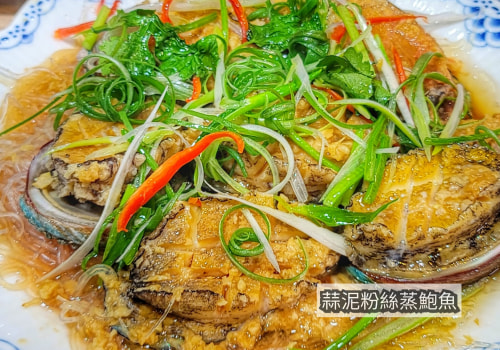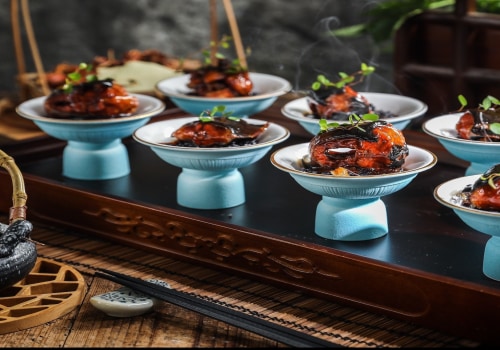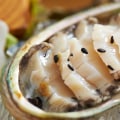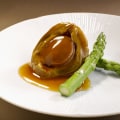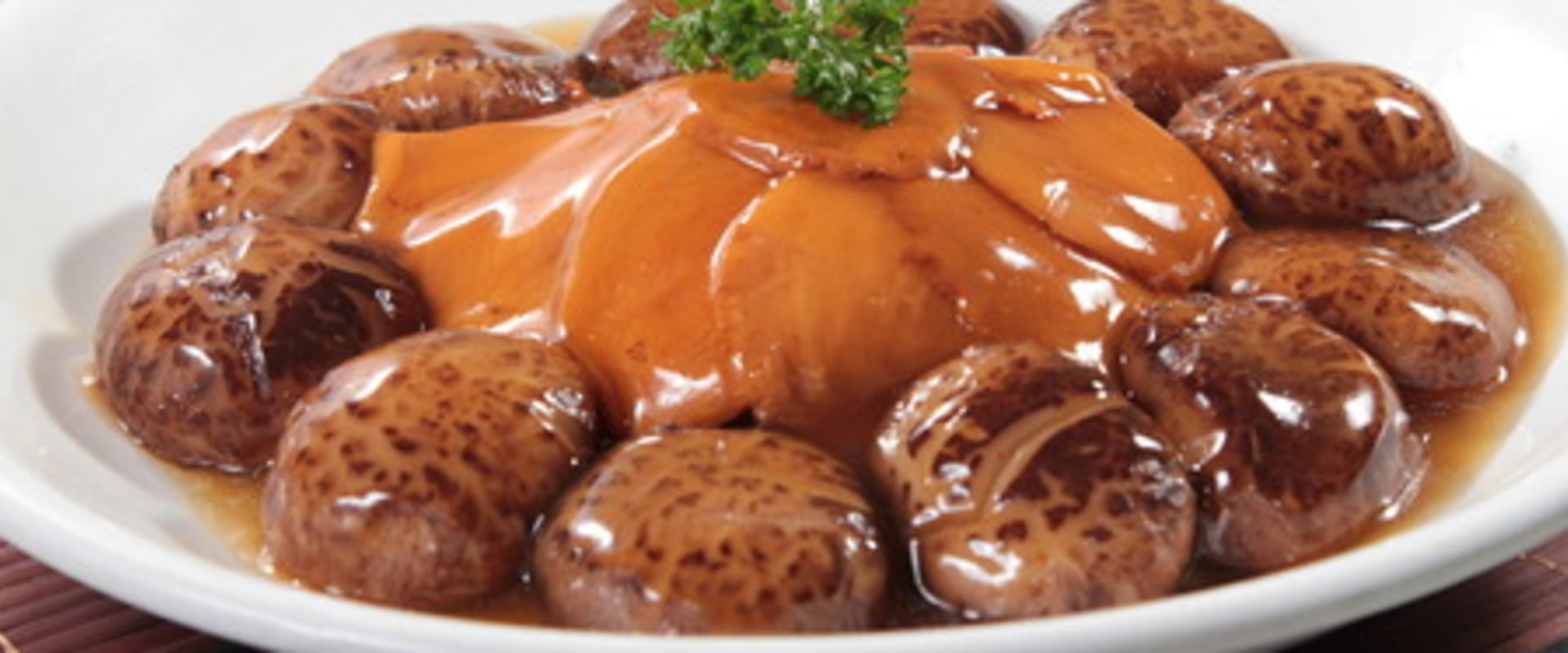
Abalone, a prized delicacy in Chinese cuisine, holds a special place in the hearts of seafood lovers and culinary enthusiasts alike. Known for its unique texture and rich flavor, abalone is often regarded as a symbol of luxury and prosperity. In traditional Chinese culture, this shellfish is not only celebrated for its taste but also for its nutritional benefits, making it a popular choice for festive occasions and family gatherings. The significance of abalone extends beyond mere gastronomy; it embodies the essence of Chinese culinary philosophy, which emphasizes harmony between ingredients and the importance of fresh, high-quality produce.In the realm of abalone recipes , stir-frying is one of the most popular methods to prepare this exquisite ingredient.
This technique allows the abalone to retain its natural flavors while absorbing the aromatic notes of garlic and chili, creating a dish that is both vibrant and satisfying. The art of stir-frying is deeply rooted in Chinese cooking traditions, where quick cooking over high heat preserves the integrity of ingredients. This method not only enhances the taste but also showcases the skill involved in balancing flavors and textures.As you delve into the world of Chinese cooking , you'll discover that abalone is often paired with various seasonings and accompaniments that elevate its profile. From savory sauces to fresh herbs, each element plays a crucial role in crafting a memorable dish.
Whether served as a main course or as part of a larger banquet spread, stir-fried abalone with garlic and chili exemplifies the culinary artistry that defines Chinese seafood dishes.In this exploration of abalone recipes, we will uncover not only how to prepare this delightful dish but also its cultural significance within Chinese gastronomy. Join us on this flavorful journey as we celebrate the rich heritage and exquisite taste of abalone in Chinese cuisine.
Understanding Abalone: A Culinary Treasure
Abalone is a type of marine mollusk that belongs to the family Haliotidae. Known for its distinctive, ear-shaped shell and vibrant interior, abalone is not only a culinary delight but also a symbol of luxury in many cultures, particularly in Asian cuisine. The meat of the abalone is prized for its tender texture and rich flavor, making it a sought-after ingredient in various dishes.There are several types of abalone , each with unique characteristics:- Black Abalone : Found primarily along the Pacific coast of North America, this type has a dark shell and is known for its rich flavor.
- Red Abalone : This variety is larger and has a reddish-brown shell.
It is highly valued for its sweet taste and firm texture.
- Green Abalone : Commonly found in New Zealand and Australia, green abalone has a greenish shell and offers a slightly different flavor profile compared to other types.
- Pinto Abalone : Recognized by its colorful shell, this type is often found in the waters off the coast of California and is known for its delicate taste.
- Rich in Vitamins and Minerals : Abalone contains essential vitamins such as B12, which supports nerve function and red blood cell production. It also provides minerals like zinc, iron, and selenium, which are vital for overall health.
- Omega-3 Fatty Acids : These healthy fats are known for their anti-inflammatory properties and can contribute to heart health.
- Low Caloric Content : With only about 70 calories per 100 grams, abalone is a great option for those looking to maintain or lose weight while enjoying flavorful meals.
Its various types offer diverse flavors and textures, while its nutritional benefits make it a valuable addition to any diet. Whether enjoyed in traditional dishes or modern interpretations, abalone continues to captivate food lovers around the world.
The Cultural Significance of Abalone in Chinese Cooking
Abalone holds a special place in Chinese culture, not only as a culinary delight but also as a symbol of prosperity and good fortune. This prized shellfish is often featured in traditional Chinese celebrations and festivals, making it a significant ingredient in various abalone recipes.Historically, abalone has been associated with wealth and status. In ancient China, it was considered a delicacy reserved for the elite, often served at banquets and special occasions.Its rarity and high market value have made it a sought-after ingredient, especially during festive seasons.
Abalone in Chinese Festivals
During major festivals such as the Chinese New Year, abalone is commonly included in celebratory feasts. It is believed that consuming abalone during these times brings good luck and prosperity for the coming year. Families often prepare elaborate dishes featuring abalone to honor their ancestors and to wish for abundance in their lives.In addition to the New Year, abalone is also featured in other significant celebrations like weddings and birthdays. The dish symbolizes unity and harmony, making it a perfect choice for gatherings where families come together to celebrate important milestones.Traditional Uses of Abalone
Beyond its role in festive meals, abalone has been used in traditional Chinese medicine for centuries.It is believed to possess various health benefits, including improving circulation and enhancing vitality. The meat of the abalone is rich in nutrients, making it not only a delicious choice but also a nourishing one.In culinary practices, abalone is often prepared using methods that highlight its unique texture and flavor. Traditional cooking techniques such as braising or stir-frying are popular, allowing the natural taste of the abalone to shine through while being complemented by other ingredients like garlic and chili.Overall, the cultural significance of abalone in Chinese cooking extends beyond mere sustenance; it embodies tradition, celebration, and the sharing of good fortune among family and friends. As you explore abalone recipes, you are not just indulging in a delicious dish but also participating in a rich cultural heritage that values community and prosperity.
Essential Ingredients for Stir-Fried Abalone with Garlic and Chili
To create a truly authentic and flavorful stir-fried abalone with garlic and chili, it is essential to select the right ingredients.Each component plays a vital role in enhancing the dish's overall taste and texture. Below, we delve into the key ingredients that make this dish a standout in Chinese cuisine.
- Fresh Abalone: The star of the dish, abalone is a prized shellfish known for its tender texture and rich flavor. When selecting abalone, opt for fresh ones if available, as they provide a superior taste compared to canned varieties. Fresh abalone should have a slight ocean scent and firm flesh.
If using canned abalone, ensure it is of high quality to maintain the dish's authenticity.
- Garlic: Garlic is indispensable in this recipe, contributing a robust aroma and depth of flavor. Freshly minced garlic releases essential oils that infuse the dish with a savory essence. The amount of garlic can be adjusted based on personal preference, but using at least four cloves will ensure a pronounced garlic flavor that complements the abalone beautifully.
- Chili Peppers: For heat and vibrancy, fresh chili peppers are essential. Red chili peppers not only add spice but also a pop of color to the dish.
Depending on your spice tolerance, you can adjust the quantity; however, using two to three medium-sized chilies will provide a balanced kick without overwhelming the palate.
- Soy Sauce: A staple in Chinese cooking, soy sauce adds umami and saltiness to the dish. It enhances the natural flavors of the abalone while providing a rich brown color. Low-sodium soy sauce can be used for those watching their salt intake.
- Oyster Sauce: This thick, savory sauce brings an additional layer of umami flavor to the stir-fry. It pairs exceptionally well with seafood and helps to create a luscious coating on the abalone.
- Sesame Oil: A few drops of sesame oil add a nutty richness that elevates the overall flavor profile.
It should be used sparingly, as its strong flavor can easily overpower other ingredients.
- Vegetable Oil: For stir-frying, choose a neutral oil with a high smoke point, such as canola or peanut oil. This allows for high-heat cooking without imparting any unwanted flavors to the dish.
- Cornstarch: Used as a thickening agent, cornstarch helps create a glossy sauce that clings to the abalone and other ingredients. It is typically mixed with water to form a slurry before being added to the stir-fry.
- Sugar: A small amount of sugar balances out the savory flavors and enhances the overall taste of the dish. It helps to round out the flavors without making the dish sweet.
Each ingredient contributes uniquely to the final flavor profile, ensuring that every bite is packed with taste and texture.
Step-by-Step Guide to Preparing Stir-Fried Abalone with Garlic and Chili
Preparing stir-fried abalone with garlic and chili is a delightful culinary adventure that can be easily replicated at home. Follow this detailed step-by-step guide to ensure your dish turns out perfectly every time.Ingredients Preparation
- Fresh Abalone: Start with 1 pound of fresh abalone. If using canned abalone, ensure it is well-drained. Clean the abalone thoroughly under running water, removing any sand or debris.
Slice the abalone into thin strips, about 1/4 inch thick, to allow for quick cooking.
- Garlic: Use 4 cloves of fresh garlic. Mince them finely to release their aromatic oils, which will infuse the dish with flavor.
- Chili Peppers: Select 2 red chili peppers for a vibrant color and heat. Slice them thinly, and if you prefer a milder dish, remove the seeds before slicing.
- Seasonings: Gather 1 tablespoon of soy sauce, 1 teaspoon of sesame oil, and salt and pepper to taste. These will enhance the natural flavors of the abalone.
- Vegetable Oil: Use 1 tablespoon of a neutral oil like canola or sunflower oil for stir-frying.
Cooking Instructions
- Heat the Wok: Place a wok or large skillet over high heat.
Allow it to become hot before adding oil; this ensures a good sear on the abalone.
- Add Oil: Pour in the vegetable oil and swirl it around to coat the surface evenly.
- Sauté Garlic and Chili: Immediately add the minced garlic and sliced chili peppers to the hot oil. Stir-fry for about 30 seconds until fragrant, being careful not to burn the garlic.
- Add Abalone: Quickly add the sliced abalone to the wok. Stir-fry for 1-2 minutes until they turn opaque and are just cooked through. Avoid overcooking as this can make them tough.
- Add Seasonings: Pour in the soy sauce and sesame oil, stirring well to coat all ingredients evenly.
Season with salt and pepper according to your taste preferences.
- Finish Cooking: Continue stir-frying for another minute until everything is heated through and well combined. The sauce should slightly thicken but remain light.
Tips for Perfectly Cooking Abalone
Cooking abalone can be a delightful experience, but it requires attention to detail to ensure that this prized seafood is prepared perfectly. Here are some expert tips to help you achieve tender, flavorful abalone every time.1.Choose Fresh Abalone
The quality of your abalone is paramount.Always opt for fresh abalone when possible, as it has a superior flavor and texture compared to canned varieties. Look for abalone with a firm shell and a moist, shiny surface. If you’re purchasing from a market, don’t hesitate to ask the vendor about the source and freshness of the abalone.
2.Proper Cleaning
Before cooking, it’s essential to clean the abalone thoroughly. Rinse it under cold running water to remove any sand or debris.Use a soft brush to scrub the shell gently, ensuring that no grit remains. After cleaning, remove the meat from the shell using a sharp knife, being careful not to damage it.
3.Slicing Techniques
For optimal cooking, slice the abalone into thin pieces. This not only helps in even cooking but also enhances its tenderness. Aim for slices that are about 1/4 inch thick; this thickness allows the abalone to cook quickly without becoming tough.4.Marinating for Flavor
Marinating abalone can infuse it with additional flavors while also helping to tenderize the meat.A simple marinade of soy sauce, Shaoxing wine, and sesame oil works wonders. Allow the abalone to marinate for at least 30 minutes before cooking; this step is crucial for enhancing its taste.
5.High Heat Cooking
When stir-frying abalone, use high heat to achieve a quick sear without overcooking it. Preheat your wok or skillet until it’s very hot before adding oil and other ingredients. This method locks in moisture and prevents the abalone from becoming rubbery.6.Avoid Overcooking
One of the most common mistakes when cooking abalone is overcooking it.Abalone cooks quickly—usually within just a few minutes—so keep an eye on it while stir-frying. The meat should be opaque and slightly firm when done; if it becomes too tough or chewy, it has likely been overcooked.
7.Pairing with Complementary Ingredients
To elevate your dish further, consider pairing abalone with ingredients that complement its delicate flavor. Garlic and chili are classic choices in Chinese cuisine that add depth and spice without overpowering the natural taste of the abalone.By following these tips, you can master the art of cooking abalone and create a dish that showcases its unique texture and flavor beautifully. Enjoy your culinary journey with this exquisite seafood!Serving Suggestions and Pairings for Stir-Fried Abalone
When it comes to enjoying stir-fried abalone, the right accompaniments can elevate your dining experience to new heights.Here are some thoughtful suggestions for side dishes and beverages that pair beautifully with this exquisite seafood dish.
Complementary Side Dishes
- Steamed Jasmine Rice: A classic choice, steamed jasmine rice provides a fragrant and fluffy base that absorbs the rich flavors of the stir-fried abalone. Its subtle sweetness complements the savory notes of the dish.
- Bok Choy Stir-Fry: Lightly stir-fried bok choy with garlic and a splash of soy sauce adds a refreshing crunch and vibrant color to your plate. The slight bitterness of bok choy balances the richness of the abalone.
- Mushroom Medley: A mix of shiitake, oyster, and button mushrooms sautéed in sesame oil can enhance the umami profile of your meal. The earthy flavors of mushrooms pair well with the delicate taste of abalone.
- Chili Garlic Noodles: For those who enjoy a bit of heat, chili garlic noodles tossed with fresh herbs can provide a spicy kick that complements the flavors of the stir-fried abalone.
Pairing Wine with Seafood
Choosing the right wine can significantly enhance your meal.Here are some excellent wine options to consider:
- Sauvignon Blanc: This white wine is known for its crisp acidity and citrus notes, making it an ideal match for seafood. Its refreshing qualities will cleanse your palate between bites of abalone.
- Chardonnay: A lightly oaked Chardonnay offers a creamy texture and hints of apple and pear, which can complement the tender meat of abalone without overpowering it.
- Riesling: If you prefer something sweeter, a dry Riesling can provide a delightful contrast to the savory elements of the dish while enhancing its overall flavor profile.
Frequently Asked Questions about Stir-Fried Abalone
Cooking with abalone can be a delightful experience, but it often comes with its own set of questions and challenges. Here, we address some of the most frequently asked questions regarding stir-fried abalone, common mistakes to avoid, and variations you can try to elevate your dish.What is the best way to prepare abalone before cooking?
Before cooking, it’s essential to clean the abalone properly.Start by rinsing it under cold water to remove any sand or debris. Use a small brush to scrub the shell gently. Once cleaned, you can either slice the abalone into thin pieces or leave it whole, depending on your recipe. For stir-frying, thin slices are recommended as they cook quickly and absorb flavors better.
What are common mistakes when cooking abalone?
- Overcooking: One of the most common mistakes is overcooking abalone.
This can lead to a tough and rubbery texture. Abalone cooks quickly, so aim for just a few minutes in the wok.
- Not marinating: Skipping the marinade can result in bland flavors. A simple marinade of soy sauce, Shaoxing wine, and sesame oil enhances the taste significantly.
- Using low-quality ingredients: The quality of your garlic and chili can make a big difference. Always opt for fresh ingredients to achieve the best flavor.
What variations can I try with stir-fried abalone?
Stir-fried abalone is versatile and can be adapted in various ways:- Add vegetables: Incorporate vegetables like bell peppers, snow peas, or bok choy for added nutrition and color.
- Experiment with sauces: Try adding black bean sauce or hoisin sauce for a different flavor profile.
- Spice it up: If you enjoy heat, consider adding more chili peppers or even a dash of Szechuan peppercorns for a unique twist.
Conclusion: Embracing the Flavors of Chinese Seafood Cuisine
In conclusion, stir-fried abalone with garlic and chili is not just a dish; it is a celebration of the rich and diverse flavors found in Chinese seafood cuisine.This dish encapsulates the essence of traditional cooking methods while allowing for personal creativity in the kitchen. By combining the tender texture of abalone with the aromatic punch of garlic and the heat of chili, you create a culinary experience that is both satisfying and memorable.Throughout this article, we have explored the significance of abalone in Chinese culture, its unique flavor profile, and the essential ingredients that elevate this dish. The careful preparation and cooking techniques discussed are crucial for achieving the perfect balance of flavors. Remember, using fresh ingredients is key to enhancing the overall taste, so always opt for high-quality abalone, garlic, and chili.For those who may feel intimidated by cooking seafood at home, rest assured that making stir-fried abalone is quite straightforward.
With just a few simple steps, you can impress your family and friends with a dish that showcases your culinary skills. Here’s a quick recap of what you need to do:
- Prepare your ingredients: Clean and slice the abalone, mince the garlic, and chop the chili.
- Stir-fry with care: Heat your wok or skillet properly before adding oil, ensuring that your garlic and chili release their flavors without burning.
- Cook to perfection: Keep an eye on the abalone as it cooks quickly; overcooking can lead to a tough texture.
Your taste buds will thank you!.