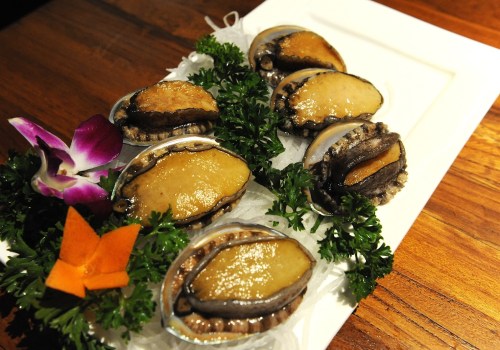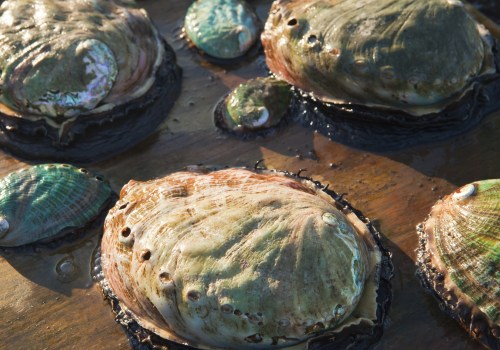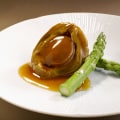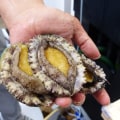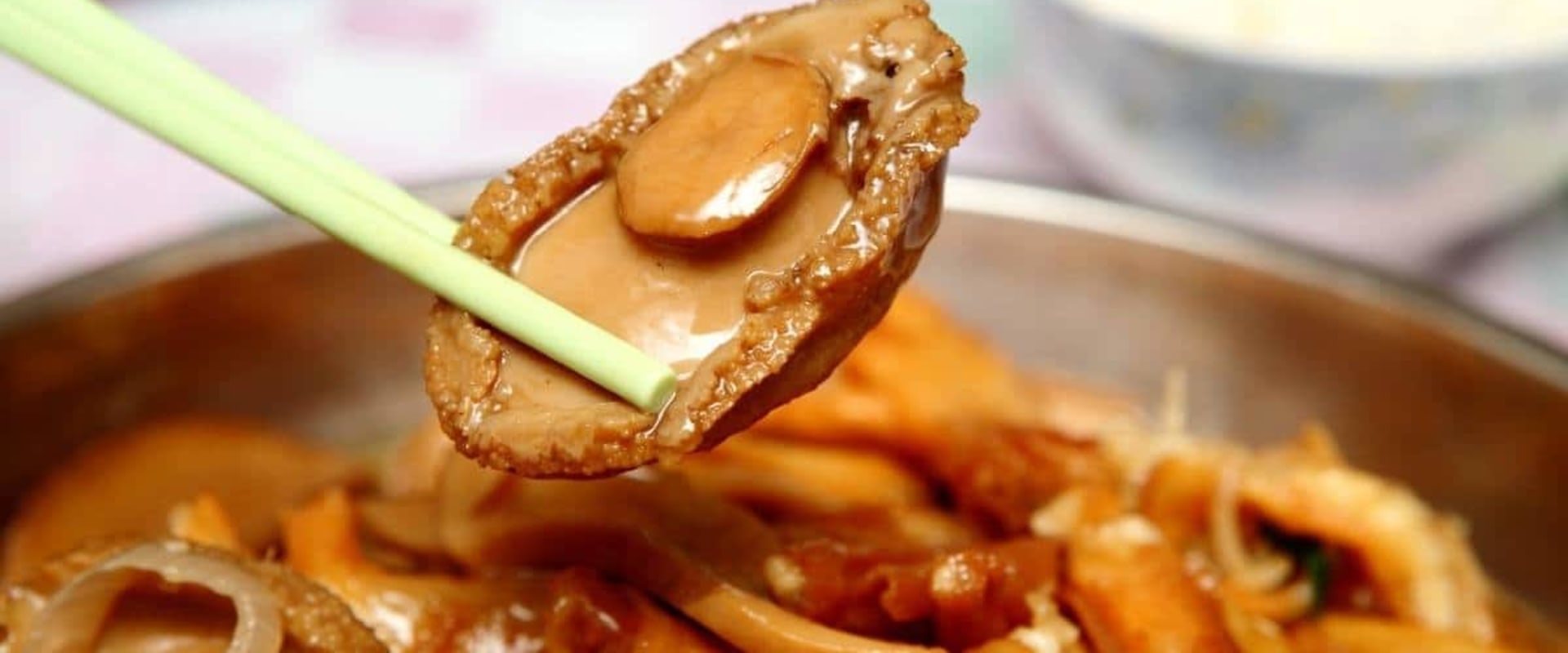
Canned abalones are a cherished ingredient in many kitchens, particularly within the realm of Canned abalones are a cherished ingredient in many kitchens, particularly within the realm of Chinese cooking. These mollusks, known for their rich flavor and unique texture, have become a staple in various dishes, ranging from luxurious soups to festive stir-fries. The convenience of canned abalones allows home cooks to enjoy this delicacy without the need for extensive preparation or the challenges associated with sourcing fresh abalones. This accessibility has contributed to their popularity, making them a go-to choice for both everyday meals and special occasions.What exactly are canned abalones? They are essentially abalones that have been harvested, cooked, and preserved in a can, often in their own juices or a light broth.
This process not only extends their shelf life but also retains much of their natural flavor and nutritional value. Canned abalones are packed with essential nutrients, including protein, vitamins, and minerals, making them a healthy addition to any diet. Their unique taste profile—often described as slightly sweet with a hint of brininess—pairs beautifully with a variety of ingredients, enhancing the overall flavor of dishes.One of the key benefits of using canned abalones is their versatility. They can be incorporated into numerous recipes, allowing for creativity in the kitchen.
Whether you’re preparing a traditional Chinese dish or experimenting with fusion cuisine, canned abalones can elevate your meals to new heights. However, to truly appreciate their potential, it’s essential to understand how to enhance their flavor and texture further. This article will delve into various tips and techniques that will help you unlock the full culinary potential of canned abalones, ensuring that every dish you create is not only delicious but also memorable.
Why Enhance Flavor and Texture?
Enhancing the flavor and texture of canned abalones is not merely a culinary exercise; it is a vital step in elevating the overall dining experience. Canned abalones, while convenient, can sometimes lack the depth of flavor and appealing texture that fresh abalones offer.By focusing on these aspects, you can transform a simple dish into a gourmet experience that delights the palate.
Importance of Flavor in Cooking
Flavor plays a crucial role in cooking, as it directly influences how we perceive and enjoy our meals. A well-seasoned dish can evoke emotions, create memories, and even transport us to different cultures. When it comes to canned abalones, enhancing their flavor can make them more than just an ingredient; they become the star of the dish. By marinating or seasoning them properly, you can infuse them with rich, savory notes that complement their natural taste.
Texture Improvement for Canned Abalones
The texture of food significantly impacts our eating experience.
Canned abalones often have a softer texture compared to their fresh counterparts, which can be unappealing if not addressed. Improving their texture through various cooking methods—such as frying or slow cooking—can add a delightful contrast to your dishes. A crispy exterior or a tender bite can enhance the overall mouthfeel, making each bite more enjoyable.Canned abalones often have a softer texture compared to their fresh counterparts, which can be unappealing if not addressed. Improving their texture through various cooking methods—such as frying or slow cooking—can add a delightful contrast to your dishes. A crispy exterior or a tender bite can enhance the overall mouthfeel, making each bite more enjoyable.
Creating an Appealing Dish
When preparing meals, presentation and taste go hand in hand. Dishes that are visually appealing and flavorful are more likely to impress guests and family alike.
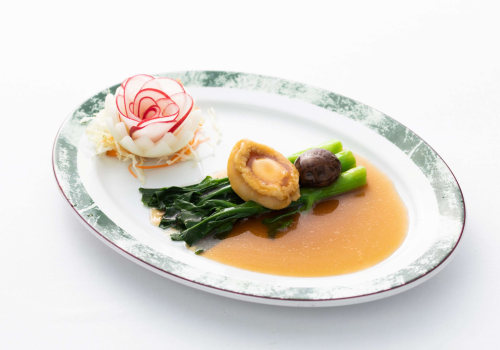
By enhancing the flavor and texture of canned abalones, you not only improve their taste but also elevate the visual appeal of your dishes. For instance, crispy fried abalones served on a vibrant bed of vegetables can create an enticing plate that draws attention.In summary, enhancing the flavor and texture of canned abalones is essential for creating memorable dining experiences. It allows you to showcase this unique ingredient in its best light, ensuring that every meal is not just eaten but savored. Whether through marination, cooking techniques, or thoughtful presentation, these enhancements will make your abalone dishes stand out and leave a lasting impression on those who enjoy them.
Marinating Techniques for Maximum Flavor
Marinating canned abalones is an excellent way to enhance their natural flavor and improve their overall texture.The right marinade can infuse the abalones with rich, savory notes that complement their unique taste. Here are some effective marinating techniques and recipes to help you achieve maximum flavor.
Basic Marinade Recipe
A simple yet effective marinade can be made using common ingredients found in most kitchens. Here’s a basic recipe:- Ingredients:
- 3 tablespoons soy sauce
- 2 tablespoons rice wine or sherry
- 1 tablespoon sesame oil
- 1 teaspoon sugar (optional)
- 2 cloves garlic, minced
- 1 teaspoon grated ginger
Seal the bag or cover the dish and refrigerate for at least 30 minutes, but for optimal flavor infusion, aim for 2 hours.
Flavor Variations
To elevate your marinating game, consider experimenting with different flavor profiles:- Citrus Marinade: Add the juice of one lemon or lime along with some zest for a refreshing twist.
- Spicy Marinade: Incorporate chili flakes or fresh chopped chilies for a kick. This works particularly well if you enjoy heat in your dishes.
- Herb-Infused Marinade: Fresh herbs like cilantro, basil, or parsley can add a fragrant touch. Simply chop them finely and mix them into your marinade.
Marinating Tips
Here are some additional tips to ensure your marinating process is effective:- Use Fresh Ingredients: Fresh garlic, ginger, and herbs will provide a more vibrant flavor compared to dried alternatives.
- Avoid Over-Marinating: While marinating enhances flavor, too long can lead to an overly salty or mushy texture. Stick to recommended times based on your chosen marinade.
- Tenderizing Agents: If you want to further tenderize the abalone, consider adding a small amount of pineapple juice or kiwi puree to your marinade.
These fruits contain enzymes that help break down proteins.
Cooking Methods to Improve Texture
When it comes to enhancing the texture of canned abalones, the cooking method you choose can make a significant difference. Two popular techniques that stand out are slow cooking and pressure cooking. Each method has its unique advantages and can transform the texture of canned abalones into something truly delightful.Slow Cooking for Tenderness
Slow cooking is an excellent way to improve the texture of canned abalones, allowing them to absorb flavors while becoming tender. This method involves cooking the abalones at a low temperature over an extended period, which helps break down tough fibers and enhances their natural flavor.To slow cook canned abalones:- Prepare the Ingredients: Start by draining the canned abalones and rinsing them under cold water.
Pat them dry with a paper towel.
- Create a Flavorful Base: In your slow cooker, combine ingredients such as soy sauce, ginger, garlic, and a splash of rice wine. You can also add vegetables like shiitake mushrooms or bok choy for added flavor.
- Add the Abalones: Place the prepared abalones into the slow cooker, ensuring they are submerged in the liquid mixture.
- Set the Temperature: Cook on low for 4 to 6 hours. This gentle heat allows the abalones to become tender while absorbing all the delicious flavors from the broth.
Pressure Cooking for Quick Results
If you're short on time but still want to achieve a tender texture, pressure cooking is an ideal option. This method uses high pressure to cook food quickly while retaining moisture and flavor.To pressure cook canned abalones:- Prepare Your Ingredients: Similar to slow cooking, start by draining and rinsing the abalones.
Season them with salt, pepper, and any other spices you prefer.
- Add Liquid: Place the abalones in the pressure cooker along with a cup of broth or water. The liquid is essential for creating steam and pressure.
- Seal and Cook: Close the lid securely and set your pressure cooker to high pressure. Cook for about 5 minutes. Remember that canned abalones are already cooked, so you want to avoid overcooking them.
- Release Pressure: Once done, carefully release the pressure according to your cooker’s instructions.
Open the lid and check for tenderness.
Creative Ways to Serve Canned Abalones
Canned abalones are not only a delicacy but also a versatile ingredient that can be incorporated into a variety of dishes. Here are some creative serving ideas and recipes that will elevate your culinary experience with canned abalones.1.Abalone Stir-Fry with Seasonal Vegetables
A quick and flavorful stir-fry is an excellent way to showcase the unique taste of canned abalones. Start by heating some oil in a wok, then add garlic and ginger for aromatic depth.Toss in your choice of seasonal vegetables such as bell peppers, snow peas, and broccoli. Once the vegetables are tender-crisp, add the drained canned abalones and a splash of soy sauce or oyster sauce. Stir-fry for just a few minutes to heat through, and serve over steamed rice or noodles for a complete meal.
2.Abalone Salad with Citrus Dressing
For a refreshing dish, consider making an abalone salad. Combine mixed greens, sliced cucumbers, and cherry tomatoes in a bowl.Add sliced canned abalones on top for protein and flavor. For the dressing, whisk together olive oil, lemon juice, honey, salt, and pepper. Drizzle the dressing over the salad just before serving to keep the greens crisp.
3.Abalone Soup with Noodles
A comforting soup can be made by simmering chicken or vegetable broth with sliced mushrooms, bok choy, and noodles of your choice. Add the canned abalones towards the end of cooking to warm them through without overcooking.Season with soy sauce and sesame oil for added flavor.
4.Grilled Abalone Skewers
For a unique twist, try grilling canned abalones on skewers. Marinate them in a mixture of soy sauce, honey, and minced garlic for at least 30 minutes. Thread the abalones onto skewers along with bell peppers and onions. Grill on medium heat for about 2-3 minutes on each side until slightly charred.Serve these skewers as an appetizer or as part of a main course.
5.Abalone Fried Rice
Transform leftover rice into a delicious fried rice dish by adding diced vegetables like carrots and peas along with scrambled eggs. Stir in chopped canned abalones at the end to warm them through while maintaining their texture. Season with soy sauce and garnish with chopped green onions for an extra burst of flavor.These creative abalone dishes not only highlight the unique flavor of canned abalones but also encourage experimentation with different cuisines and presentation styles. Whether you’re preparing a simple stir-fry or an elegant salad, these ideas will help you make the most out of this exquisite ingredient.Frying Canned Abalones: A Crispy Delight
Frying canned abalones is a fantastic way to transform this delicacy into a crispy delight that can elevate any dish.The process not only enhances the flavor but also adds a satisfying crunch that contrasts beautifully with the tender meat of the abalone. Here’s a detailed guide on how to achieve perfectly fried canned abalones.
Step-by-Step Guide to Frying Canned Abalones
- Preparation: Start by draining the canned abalones and gently patting them dry with paper towels. This step is crucial as excess moisture can prevent the breading from adhering properly and can lead to soggy results.
- Seasoning: Before breading, season the abalones with your choice of spices. A simple mix of salt, pepper, and garlic powder works wonders.
For an extra kick, consider adding chili flakes or a dash of five-spice powder.
- Breading Process: Set up a breading station with three shallow dishes: one for flour, one for beaten eggs, and one for breadcrumbs. You can use panko breadcrumbs for an extra crunch or even crushed cornflakes for a unique texture.
- Coating: First, coat each abalone in flour, shaking off any excess. Next, dip it into the beaten eggs, allowing any excess to drip off before finally coating it in breadcrumbs. Ensure each piece is evenly coated for the best results.
- Frying: Heat oil in a deep frying pan or wok over medium-high heat.
The oil should be hot enough that a breadcrumb sizzles when dropped in. Carefully place the breaded abalones into the hot oil, ensuring not to overcrowd the pan. Fry for about 2-3 minutes on each side or until they turn golden brown and crispy.
- Draining: Once cooked, remove the abalones from the oil and place them on a plate lined with paper towels to absorb any excess oil.
Serving Suggestions
Crispy fried abalones can be served as an appetizer or incorporated into various dishes. Pair them with a tangy dipping sauce made from soy sauce, vinegar, and chili oil for an added flavor boost.
Alternatively, toss them into stir-fries or salads for an exciting texture contrast.
Tips for Perfectly Fried Abalones
- Temperature Control: Maintain the oil temperature throughout frying to ensure even cooking and prevent sogginess.
- Experiment with Flavors: Don’t hesitate to experiment with different spices in your breading mixture to create unique flavor profiles.
- Garnishing: Consider garnishing your fried abalones with chopped herbs like cilantro or spring onions for a fresh touch.
Common Mistakes to Avoid When Cooking Canned Abalones
When it comes to cooking with canned abalones, even the most experienced chefs can make mistakes that affect the final dish. Understanding these common pitfalls can help you achieve the perfect abalone dish every time. Here are some of the most frequent mistakes to avoid:- Overcooking the Abalones: One of the biggest errors is overcooking canned abalones.
Since they are already pre-cooked during the canning process, they only need to be heated through. Overcooking can lead to a rubbery texture that detracts from their natural flavor. Aim for a cooking time of just a few minutes, whether you are stir-frying or simmering them in a sauce.
- Neglecting to Drain Properly: Another common mistake is not draining the canned abalones adequately before cooking. The liquid in the can can be quite salty and may overpower the dish if not removed.
Always drain and rinse the abalones under cold water to remove excess salt and preserve their delicate flavor.
- Skipping Marinades: Some cooks overlook the importance of marinating canned abalones. A simple marinade can significantly enhance their flavor profile. Consider using a mixture of soy sauce, rice wine, and aromatics like garlic or ginger. Allowing them to marinate for at least 30 minutes will infuse them with rich flavors.
- Using High Heat: Cooking canned abalones over high heat can lead to uneven cooking and tough textures.
Instead, use medium heat to gently warm them through, allowing for a more consistent texture and flavor absorption from any accompanying sauces or ingredients.
- Ignoring Texture Variations: Canned abalones come in various sizes and textures, which means that cooking times may vary. Always check for doneness based on their size and adjust your cooking time accordingly. Smaller pieces may require less time than larger ones.
Frequently Asked Questions about Canned Abalones
Canned abalones are a delicacy that many enjoy, but they often come with questions regarding their preparation and use in cooking.Here are some frequently asked questions that can help you make the most of this unique ingredient.
What are canned abalones?
Canned abalones are mollusks that have been cooked and preserved in a can, making them convenient for use in various dishes. They retain their rich flavor and tender texture, making them a popular choice in many cuisines, especially in Chinese cooking.How should I store canned abalones?
Once opened, canned abalones should be stored in an airtight container in the refrigerator. It is best to consume them within 2-3 days for optimal freshness. Unopened cans can be stored in a cool, dry place and typically have a long shelf life.Can I eat canned abalones straight from the can?
Yes, you can eat canned abalones directly from the can, as they are already cooked.However, for enhanced flavor and texture, consider marinating or cooking them with other ingredients.
What are some tips for cooking with canned abalones?
- Marinate: Soak the abalones in a mixture of soy sauce, rice wine, and spices to infuse them with flavor.
- Avoid overcooking: Since they are pre-cooked, be cautious not to overheat them to prevent a rubbery texture.
- Experiment with textures: Try frying or grilling for a crispy exterior or slow-cooking for tenderness.
What dishes can I make with canned abalones?
Canned abalones can be used in a variety of dishes such as stir-fries, soups, and salads. They pair well with vegetables like bok choy or mushrooms and can also be served over rice or noodles for a hearty meal.Are there any health benefits to eating canned abalones?
Canned abalones are rich in protein and contain essential nutrients such as vitamins B12 and A, as well as minerals like zinc and iron. Incorporating them into your diet can contribute to overall health when consumed in moderation.If you have more questions about using canned abalones or need specific recipe ideas, feel free to explore further or consult culinary resources dedicated to seafood cooking!Conclusion: Elevating Your Canned Abalone Dishes
In conclusion, enhancing the flavor and texture of canned abalones is not just a culinary task; it is an art that can transform a simple ingredient into a gourmet experience. By implementing the tips discussed throughout this article, you can elevate your dishes and impress your family and friends with your cooking skills.To recap, marinating canned abalones is one of the most effective ways to infuse them with rich flavors.A well-crafted marinade using ingredients like soy sauce, rice wine, and aromatic spices can significantly enhance their taste. Remember to allow sufficient time for the abalones to soak up these flavors, as this step is crucial for achieving a delicious outcome.Additionally, the choice of cooking method plays a vital role in determining the final texture of your dish. Whether you opt for slow cooking or pressure cooking, each method offers unique benefits that can help tenderize the abalone meat. Slow cooking allows for a gradual infusion of flavors, while pressure cooking provides a quick yet effective way to achieve tenderness.If you’re in the mood for something crispy, breading and frying canned abalones can add an exciting crunch to your meal.
Experimenting with different breading mixtures and seasonings can lead to delightful variations that keep your palate intrigued.Ultimately, the key to mastering canned abalone recipes lies in understanding how to balance flavors and textures. Don’t hesitate to experiment with various ingredients and techniques until you find what works best for you. The versatility of canned abalones means they can be incorporated into a wide range of dishes—from stir-fries to soups—making them an excellent addition to your culinary repertoire.So go ahead and embrace these tips! With a little creativity and practice, you’ll be able to create mouthwatering dishes that showcase the unique qualities of canned abalones. Your journey into the world of abalone cooking is just beginning, and the possibilities are endless!.